The Best Museums in Mexico City: A Ranked, Honest Shortlist for 2026
A ranked, honest shortlist of the best museums in Mexico City for 2026, with foreigner prices, closed days, neighborhoods, who each suits, and the free-museum and Monday-closure truths.
 By Diego Morales, Mexico City Museums Specialist & Cultural Guide
Mexico City holds more museums than almost any city on earth, and the honest problem for a visitor is not finding a museum but choosing between too many good ones. A single institution, the National Museum of Anthropology, drew over five million visits in 2025 on its own. You cannot see everything, and you should not try. The city rewards a short list done slowly far more than a long list done at a jog.
Our team keeps a working shortlist of the Mexico City museums that actually reward the trip, and this guide ranks them the way we recommend them: by what you get for the hours you spend, with real 2026 foreigner prices, the closed days that catch people out, and a plain note on who each one suits. Two truths shape everything below. Most of the big museums close on Mondays, and there is no single official pass that covers them, whatever the ads suggest.
Which museums are actually worth your time?
The strongest are the National Museum of Anthropology for deep-time Mesoamerica, the Frida Kahlo Museum in Coyoacán for the Casa Azul, and Chapultepec Castle for history and views. Behind them sit Templo Mayor, Palacio de Bellas Artes for the great murals, and the free Museo Soumaya. Most close Mondays; prices below are 2026 foreigner rates, so check the live listing.
Rankings are personal, so read this as one team's working order rather than a verdict carved in stone. Anthropology comes first because nothing else in the city holds so much in one building, and because it is genuinely the busiest museum in Mexico. Frida's Casa Azul comes next for the sheer pull of the place, tempered by the fact that its tickets are the hardest to get. Chapultepec Castle earns third for the rare combination of a hilltop castle, a national history collection and the best free view over Reforma. For the same picks framed as a quick blog checklist, see the shortlist of must-see museums.
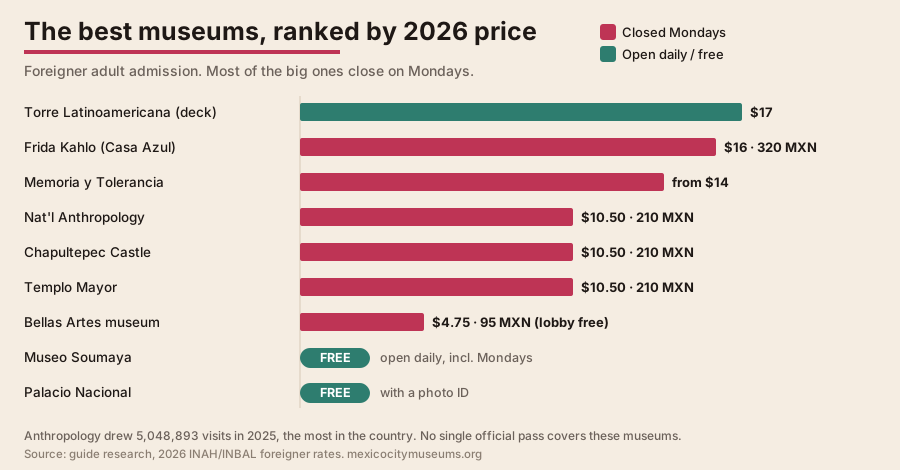
The table sets the field out at a glance. Prices are the 2026 foreigner adult rate where a museum charges one, and several of the best are free. Note the neighborhood column: the two clusters that matter are the Centro Histórico around the Zócalo and the Bosque de Chapultepec, and building a day around one of them keeps you out of traffic.
| Museum | What it is | 2026 foreigner adult | Closed day | Neighborhood |
|---|---|---|---|---|
| National Museum of Anthropology | Mesoamerican archaeology and cultures | Around 210 MXN (~$10.50) | Monday | Bosque de Chapultepec |
| Frida Kahlo Museum (Casa Azul) | Frida's house and studio | Around 320 MXN (~$16) | Monday | Coyoacán |
| Chapultepec Castle | Hilltop castle, national history museum | Around 210 MXN (~$10.50) | Monday | Bosque de Chapultepec |
| Templo Mayor | Excavated Aztec temple and site museum | Around 210 MXN (~$10.50) | Monday | Centro Histórico |
| Palacio de Bellas Artes | Muralism under an Art Deco dome | Around 95 MXN (~$4.75); lobby free | Monday (exhibitions) | Centro Histórico |
| Museo Soumaya | Rodin bronzes, European and Mexican art | Free | Open daily | Nuevo Polanco |
| MUNAL, Museo Nacional de Arte | Mexican art to the mid-20th century | Low INBAL admission | Monday | Centro Histórico |
| Museo Memoria y Tolerancia | Genocide history and human rights | Private, ticketed (from ~$14) | Monday | Centro Histórico |
| Palacio Nacional | Diego Rivera's history murals | Free with photo ID | Open (ID required) | Centro Histórico |
| Torre Latinoamericana | Observation deck, not a museum | Around $17 | Open daily | Centro Histórico |
Is the National Museum of Anthropology the one to prioritize?
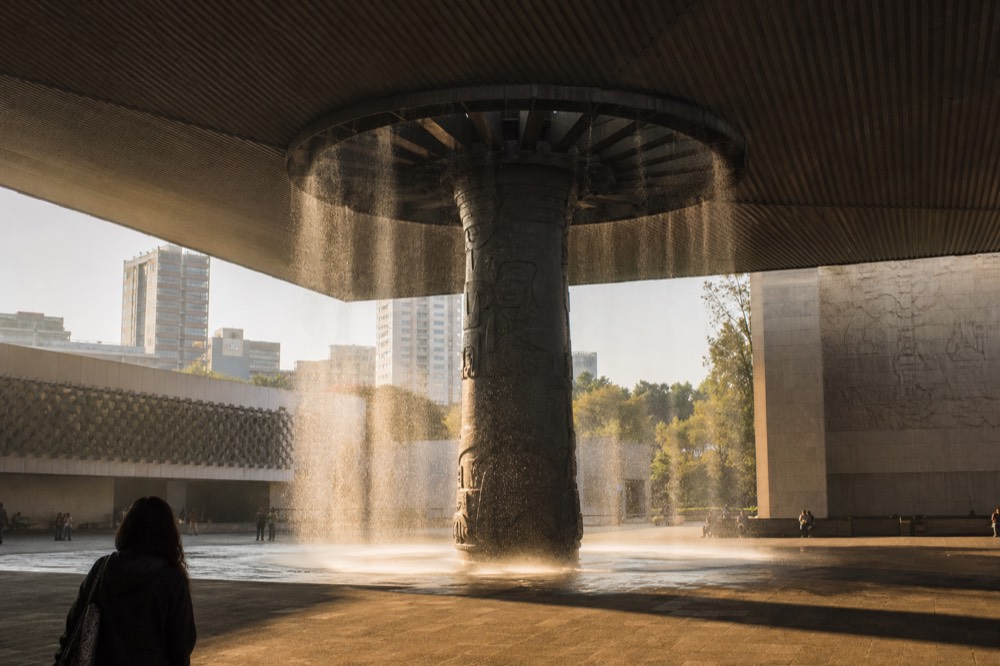
Yes. If you visit one museum in Mexico City, make it the National Museum of Anthropology in Chapultepec. It holds the Aztec Sun Stone, Pakal's jade funerary mask and hall after hall of Maya, Olmec, Teotihuacán and Mexica work. Foreigner admission is around 210 MXN (~$10.50), it closes Mondays, and it needs three to four hours.
The numbers back the recommendation. The museum recorded 5,048,893 visits in 2025, a record and a sharp jump from 3.78 million the year before, which makes it the most visited museum in the country by a wide margin. That popularity is earned. The building itself, with its vast cantilevered umbrella of a courtyard fountain, is a landmark, and the twelve ground-floor culture halls run from the earliest peopling of the Americas to the Aztec capital that stood where the city stands now.
Give it real time. Two hours only skims the surface; three to four hours lets you do the core halls, the Mexica room with the Sun Stone and the Maya hall with the reconstructed tomb of Pakal without racing. The museum opens Tuesday to Sunday, roughly 9:00 to 18:00, and closes Mondays like most federal institutions. You can confirm the current schedule and ticket rules on the official Anthropology Museum site before you go.
The bookable ticket here bundles skip-line entry with a digital guide, which is worth it on a busy weekend when the queue at the gate is long. You can reserve on the Anthropology Museum entry ticket page.
Is the Frida Kahlo Museum worth the booking hassle?
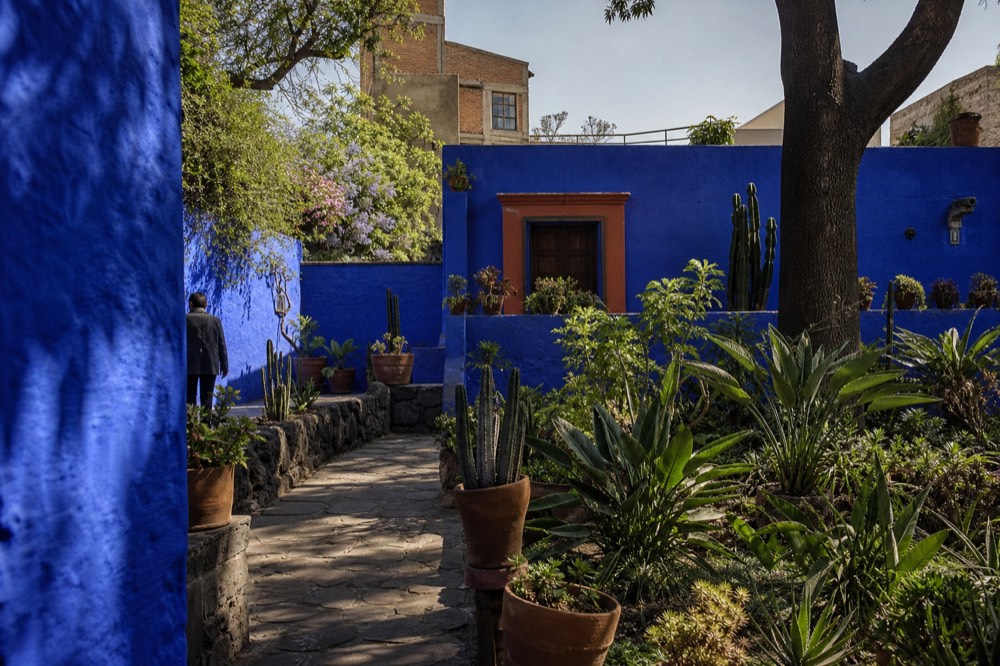
For most visitors, yes, but only if you plan ahead. The Casa Azul in Coyoacán is where Frida Kahlo was born, worked and died, kept with her studio, wheelchair, clothing and collection. The catch is real: tickets are timed, sold online only, and routinely gone four to six weeks out. Foreigner admission is around 320 MXN (~$16).
No museum in the city generates more disappointment at the door, because there is no door sale. The official Casa Azul ticketing site releases timed slots, they sell out well in advance, and there is no same-day walk-up window. People arrive in Coyoacán expecting to buy on the spot and cannot. The single most useful thing we can tell you is to book the moment your dates are firm, and to treat a sold-out day as a reason to shift your plan, not to show up hopeful.
One honest bonus softens the price. The standard ticket includes courtesy entry to the Museo Anahuacalli across town, Diego Rivera's dark volcanic-stone temple of pre-Hispanic art, so two museums ride on one ticket. A separate guided "Frida and Diego Route" with transport runs on weekends for around 800 MXN. If your date is already gone, our guide to what to do when Frida tickets are sold out covers the real options, and the fuller verdict lives in our take on whether the Frida Kahlo Museum is worth it.
| Frida Kahlo Museum | 2026 |
|---|---|
| Foreigner adult | Around 320 MXN (~$16); check the live listing |
| Booking | Timed slots, online only, no walk-up |
| Availability | Often sold out four to six weeks ahead |
| Included | Courtesy entry to Museo Anahuacalli |
| Closed | Mondays |
| Area | Coyoacán, south of the center |
The bookable ticket pairs the Blue House with Anahuacalli and a digital guide, and it carries a genuine sell-out flag, so hold your date early on the Frida Kahlo Museum tickets page.
What about Chapultepec Castle and Templo Mayor?
These two carry the history sweep. Chapultepec Castle sits on a hill above the park as the National Museum of History, with Orozco and O'Gorman murals and long views down Reforma. Templo Mayor is the excavated heart of Aztec Tenochtitlan beside the cathedral. Both are INAH museums at around 210 MXN (~$10.50) for foreigners, and both close Mondays.
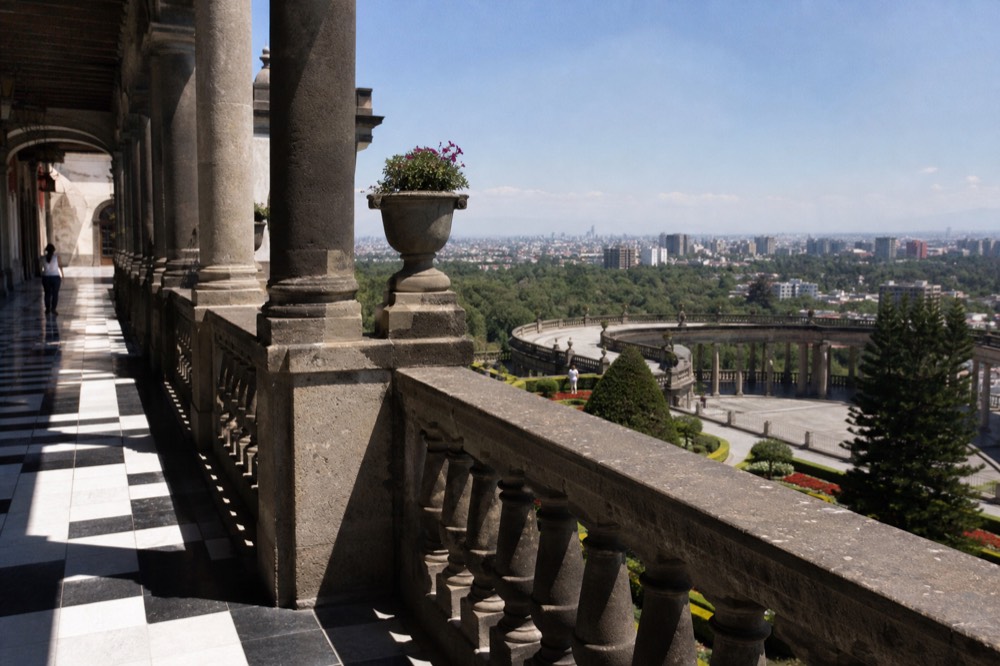
Chapultepec Castle is the only castle in the Americas to have housed actual royalty, and it plays two roles at once: a period residence with painted ceilings and a formal history museum tracing Mexico from the conquest to the revolution. The walk up the hill is the price of the view, and the view is the reward, straight down the Paseo de la Reforma. Its visitor rating runs lower than its neighbors, and the honest reason is the climb and the occasional gallery closure rather than the collection, so go knowing the hill is real.
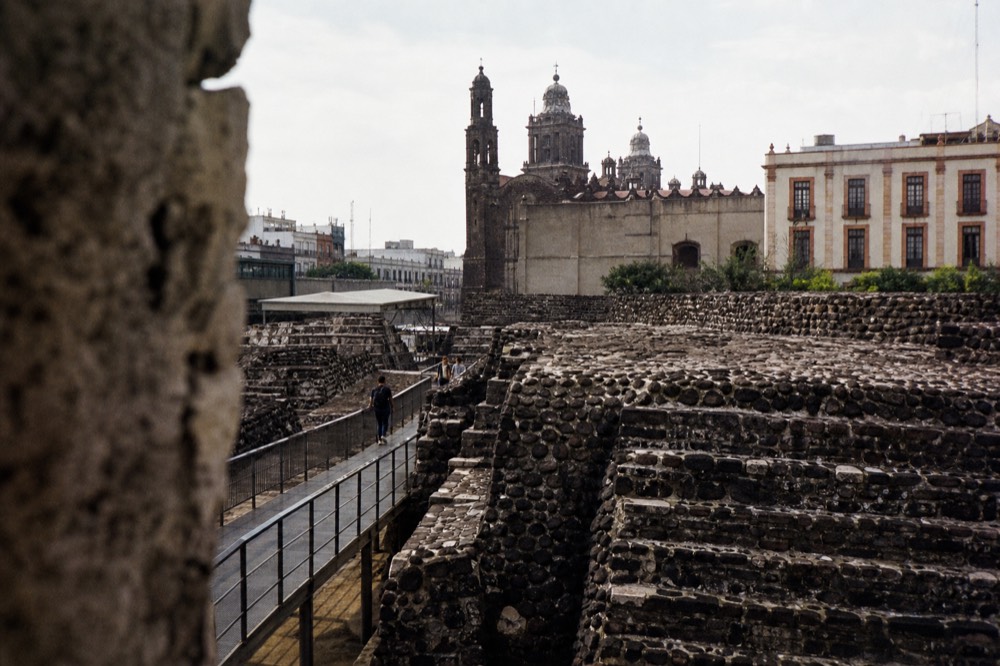
Templo Mayor works differently. A raised walkway crosses the excavated ruins of the twin temple to Tlaloc and Huitzilopochtli, right where the Spanish tore the Aztec city down to build their own, and the site museum holds the enormous Coyolxauhqui and Tlaltecuhtli stones. It rewards ninety minutes to two hours and pairs naturally with the cathedral and the Zócalo next door. Both castle and ruins reward clustering with the other Centro Histórico sites so you cut the walking between them.
Reserve a timed slot on the Chapultepec Castle skip-the-line ticket page if you are going on a weekend, when the gate queue builds.
The archaeology across town at Templo Mayor is the natural companion to the castle for anyone chasing the Aztec story, and you can hold entry on the Templo Mayor entry ticket page.
| Museum | 2026 foreigner adult | Time to allow | Signature draw |
|---|---|---|---|
| National Museum of Anthropology | Around 210 MXN (~$10.50) | 3 to 4 hours | Aztec Sun Stone, Pakal's jade mask |
| Chapultepec Castle | Around 210 MXN (~$10.50) | 1.5 to 2 hours | Hilltop views, Orozco and O'Gorman murals |
| Templo Mayor | Around 210 MXN (~$10.50) | 1.5 to 2 hours | Coyolxauhqui stone, the Aztec ruins |
Which art and mural museums belong on the list?
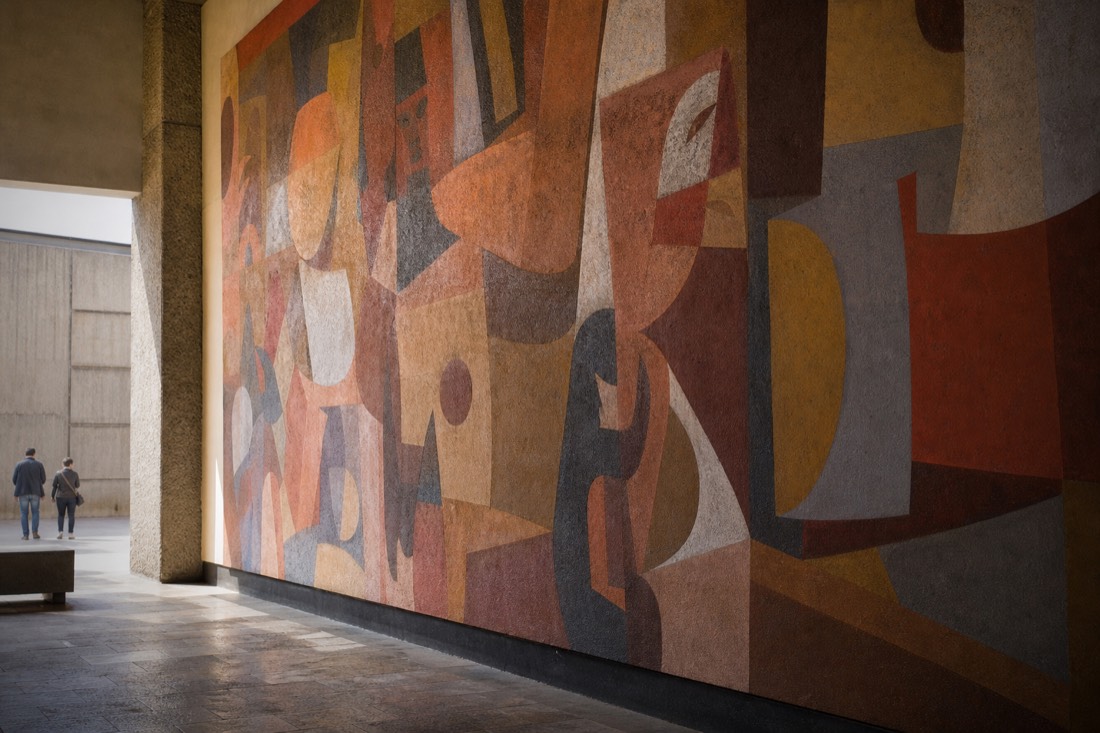
Three earn a place. Palacio de Bellas Artes holds the city's great mural cycle by Rivera, Orozco and Siqueiros under an Art Deco dome, with the museum around 95 MXN (~$4.75) and the ground-floor lobby free. Museo Soumaya is free every day and strong on Rodin bronzes. MUNAL tells the story of Mexican art in a grand old palace.
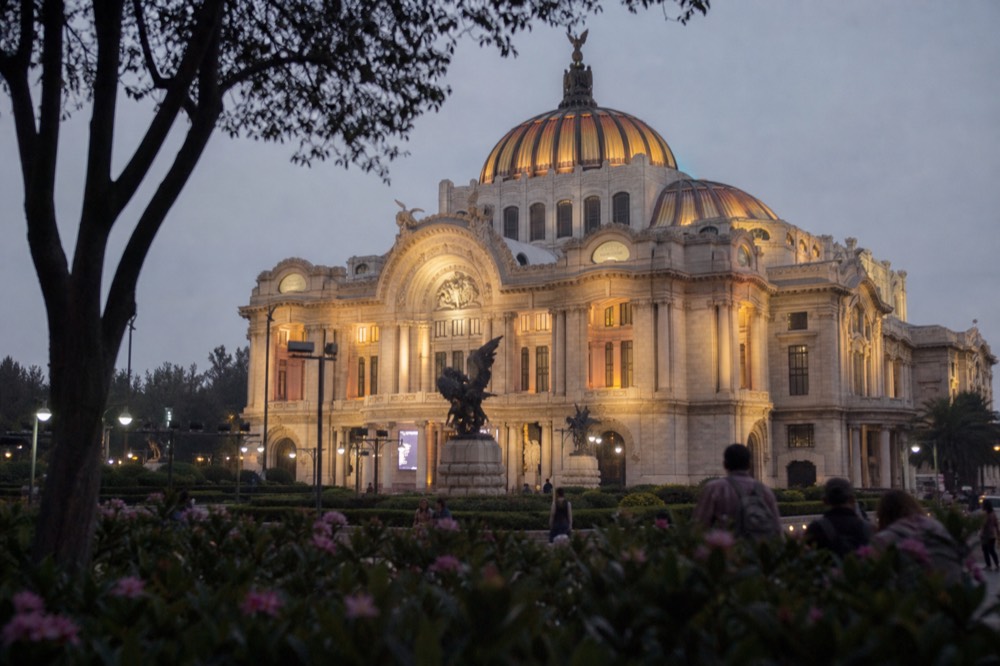
Bellas Artes is the one nobody should miss, and the pricing is friendlier than most realize. The white-marble concert hall is Art Nouveau outside and Art Deco within, and the upstairs museum charges only a small INBAL admission to stand in front of Rivera's "Man, Controller of the Universe" and the Siqueiros and Orozco cycles. The lobby and building interior are free to walk into. It is also the home stage of the Ballet Folklórico if you want an evening as well as an afternoon. Book museum entry on the Palacio de Bellas Artes entrance page.
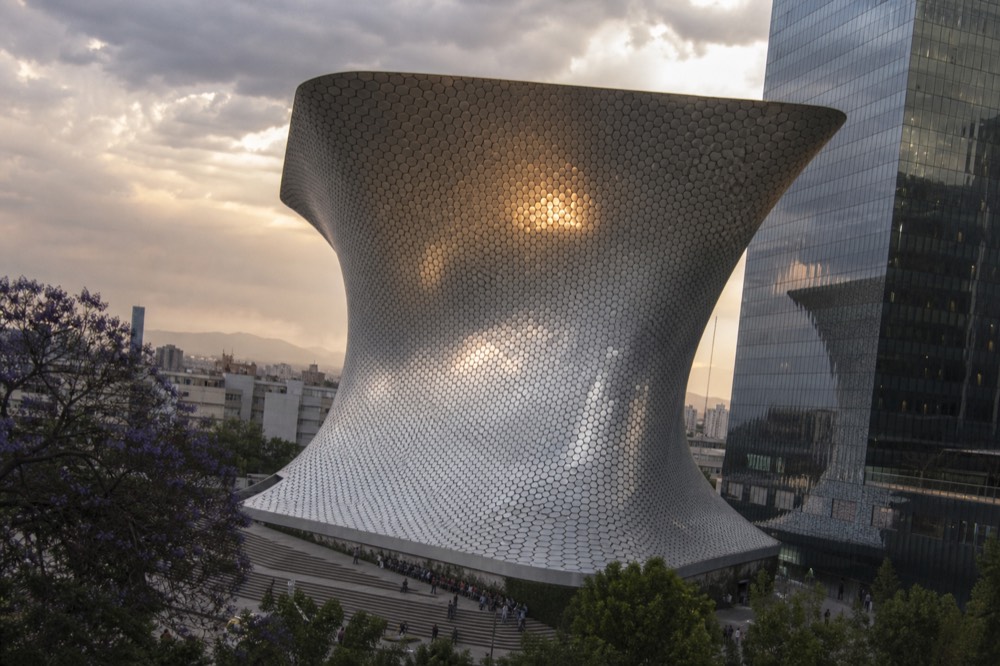
Museo Soumaya is the free surprise. The mirror-clad, wave-shaped building in Nuevo Polanco holds Carlos Slim's collection, heaviest in Rodin, and it opens daily, including Mondays, which makes it a rare Monday option. Entry costs nothing; the only paid product is an optional guided tour. MUNAL, the national art museum off the Alameda, traces Mexican painting from the viceroyalty to the mid-twentieth century in a palace worth the visit on its own. All three reward an unhurried hour rather than a rushed tick-box stop, and our guides to the city's art and mural museums and the modern and contemporary art museums go deeper on each. You can confirm Soumaya's free entry on the official Museo Soumaya site.
A guided visit is the bookable option at Soumaya, and it carries a sell-out flag on busy days, so check the Museo Soumaya guided tour page for your date.
| Museum | Admission | Free Sunday? | Closed day |
|---|---|---|---|
| Palacio de Bellas Artes (museum) | Around 95 MXN; lobby free | Residents with ID | Monday (exhibitions) |
| Museo Soumaya | Free | Free every day | Open daily |
| MUNAL | Low INBAL admission | Residents with ID | Monday |
| Museo de Arte Moderno (MAM) | Around 95 MXN | Free for everyone | Monday |
| Museo Tamayo | Around 95 MXN | Free for everyone | Monday |
| Museo Jumex | Around 50 MXN | Free for everyone | Monday |
Which museums are free, and is free-Sunday a real perk?
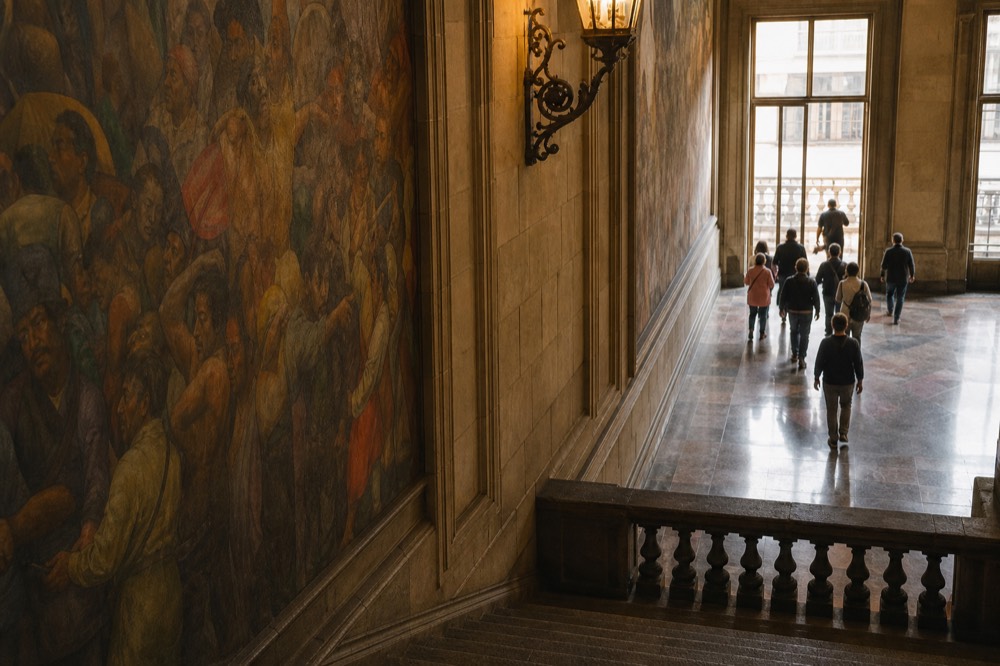
Several are genuinely free every day: Museo Soumaya, the Diego Rivera murals inside Palacio Nacional (free with photo ID), Museo del Estanquillo and the Museo Nacional de las Culturas. The much-repeated free-Sunday rule is the trap. At INAH and INBAL museums it applies to Mexican nationals and residents with ID only, so foreign visitors pay every day.
This is the honesty point older guides get wrong. Free-Sunday is a real policy, confirmed for 2026, but it is a benefit for residents, not tourists. A foreign visitor at the Anthropology Museum pays the full foreigner rate on a Sunday exactly as on a Tuesday. Two exceptions are worth knowing: the Museo de Arte Moderno and the Museo Tamayo, both in Chapultepec, are free on Sundays for everyone, foreigners included. So if you want a genuine no-cost Sunday museum hour, those two are your play.
The daily-free list is where the real savings sit. Palacio Nacional puts Rivera's staircase history murals in front of you for the cost of showing a photo ID, with nothing to buy. Museo Soumaya, the Estanquillo collection of Mexican popular culture and the Museo Nacional de las Culturas in the old colonial mint all cost nothing to enter. For the full picture, including what stays free and what quietly started charging, see our guide to free museums in Mexico City. Never build a budget day around free-Sunday as a foreigner; build it around the museums that are free to all.
| Free museum | What you see | Note |
|---|---|---|
| Museo Soumaya | Rodin bronzes, European and Mexican art | Free daily, including Mondays |
| Palacio Nacional | Diego Rivera's history murals | Free with a photo ID |
| Museo del Estanquillo | Mexican popular culture and ephemera | Free; usually Wednesday to Monday |
| Museo Nacional de las Culturas | World cultures in the old mint | Free; closed Mondays |
| Palacio de Bellas Artes lobby | The Art Deco interior and building | Free; the upstairs museum is paid |
How do tickets, Monday closures and the "no single pass" reality work?
Two rules run the whole city. Most major museums close Mondays, and there is no official single pass that covers them. The "Mexico City Pass" you see advertised is a commercial Civitatis bundle from around US$159, and the Turibús is a sightseeing bus, not a museum card. Buy admission per museum, and plan Mondays around the few that open.
Start with Monday, because it derails more trips than anything else. Anthropology, Frida's Casa Azul, Chapultepec Castle, Templo Mayor, MUNAL, the Museo de Arte Moderno, the Tamayo and Papalote all close. What stays open is a short list: Museo Soumaya, the Torre Latinoamericana observation deck, the Museo del Estanquillo and the Palacio Nacional murals. If your only free day is a Monday, build it around those, and see our guide to which museums open on Mondays for the full plan.
On passes, the plain truth is there is no Go City or CityPASS equivalent that bundles the main museums and transport under one official card. Civitatis sells a multi-day attractions bundle from about US$159, which is a private product rather than a city card, and the Turibús hop-on-hop-off bus runs at around 400 MXN a day. For nearly every visitor doing three or four museums, paying the modest foreigner admissions individually costs far less than a pass. The math and the fine print sit in our guide to how Mexico City museum tickets work.
| Museum or site | Open on Monday? |
|---|---|
| National Museum of Anthropology | No |
| Frida Kahlo Museum (Casa Azul) | No |
| Chapultepec Castle | No |
| Templo Mayor | No |
| Palacio de Bellas Artes (museum) | No (building and lobby viewable) |
| Museo Soumaya | Yes |
| Torre Latinoamericana | Yes |
| Museo del Estanquillo | Yes (Wednesday to Monday) |
| Palacio Nacional murals | Yes (free with ID) |
Who should skip which museum, and how do you match one to your trip?
Match the museum to the traveler. First-timers with one day should give it to the Anthropology Museum. Art lovers who can book ahead should chase the Casa Azul. Anyone stuck on a Monday should default to the free Museo Soumaya or the Torre view. Skip Chapultepec's hill if stairs are hard, and skip Templo Mayor if ruins leave you cold.
The mistake we see most is people forcing museums that do not fit their trip. If you have half a day and no appetite for archaeology, the Anthropology Museum will feel like homework, and you would be happier at Bellas Artes and the Palacio Nacional murals in the Centro. If you cannot book the Casa Azul weeks ahead, do not build a Coyoacán day around a ticket you do not hold; the neighborhood still rewards a wander, and our Coyoacán museums walking guide shows what pairs with it, ticket or not.
There is also the matter of stamina and timing. Chapultepec Castle asks for a climb and pays in views, so someone who struggles with hills should weigh that honestly. Templo Mayor is open-air archaeology, thrilling for some and slight for others. And the free museums are the great equalizer: broke, tired or short on time, you can still stand in front of Rivera's murals in the Palacio Nacional for the price of an ID. The grid below is the shortcut we reach for when a visitor just wants to be told where to go.
| If you want | Go to | Skip it if |
|---|---|---|
| One museum, done properly | National Museum of Anthropology | You have under two spare hours |
| Frida, art and atmosphere | Frida Kahlo Museum (Casa Azul) | You cannot book weeks ahead |
| History plus the best city view | Chapultepec Castle | A hill climb is hard for you |
| Aztec archaeology in the center | Templo Mayor | Ruins do not hold your interest |
| Great murals for almost nothing | Palacio Nacional and Bellas Artes | You forgot your photo ID (Palacio) |
| A Monday that is not wasted | Museo Soumaya or the Torre view | You expected the INAH museums open |
The pattern that works here is the one that works anywhere with too much to see: pick fewer museums, give each of them real time, and let the free ones fill the gaps between the ticketed heavyweights. Anthropology for the depth, the Casa Azul for the feeling, Bellas Artes and the Palacio Nacional murals for the art you barely pay for. Avoid the Monday closures, book Frida the day your plans firm up, and you will see the best of the city's museums without a single wasted afternoon.
If you take one thing from this shortlist, let it be the two rules that quietly shape every good museum day here. Work around Monday, and stop looking for a magic pass that does not exist. Do that, and the rest is just choosing which extraordinary thing you want to stand in front of first.