Opens the official listing with live dates and prices. Book there; nothing is charged on this site.
Area
Bosque de Chapultepec, Mexico City
Theme
History & archaeology
The Piedra del Sol is the reason most people come. The Aztec Sun Stone, nearly twelve feet across and cut from a single slab of basalt, sits at the far end of the Mexica hall where the whole building seems to funnel toward it. It anchors a collection that runs from the first farmers of Mesoamerica through the Olmec, the Maya and Teotihuacán, and it is the single most visited museum in the country for good reason.
What will you see inside the Museo Nacional de Antropología?
The headline pieces are the Aztec Sun Stone in the Mexica hall, the reconstructed Teotihuacán temple facade, the Maya hall with the tomb of King Pakal and his jade death mask, and the colossal Olmec heads. Around them run more than twenty halls of Mesoamerican cultures, with an ethnography floor above. Almost none of it is filler.
Start on the ground floor, because this is where the famous objects live. The Mexica hall holds the Sun Stone, a carved basalt monolith once read as a calendar and a cosmology in one, along with a stone model of the great temple and the statue of Coatlicue. From there the Teotihuacán hall reconstructs part of the feathered-serpent pyramid at full scale, so you get a sense of the painted, plastered city that stood north of here fifteen hundred years ago.
The Maya hall is the other room people slow right down in. A staircase leads down to a reconstruction of the burial chamber of King Pakal from Palenque, and the jade mosaic mask laid over his face is one of the treasures of the Americas. Nearby sit the Olmec basalt heads, each carved from a single boulder, the oldest monumental sculpture in the collection.
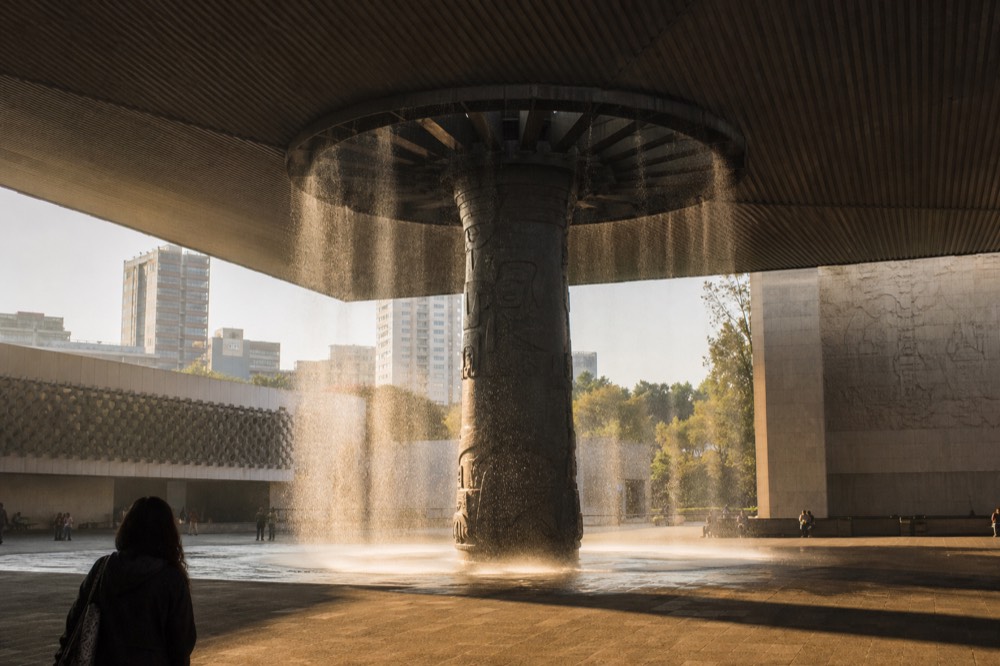
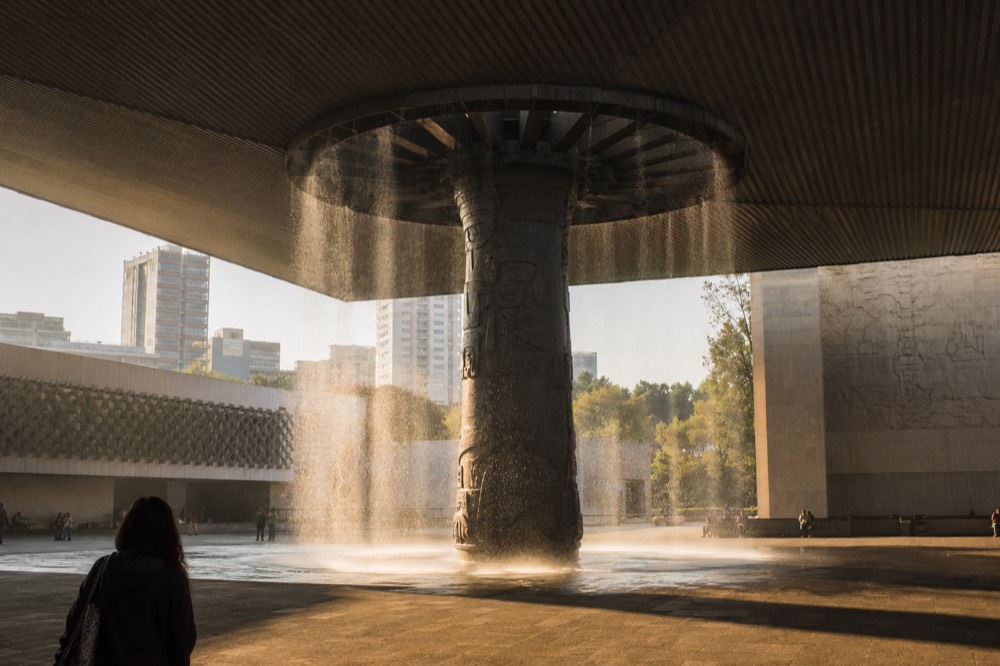
The building itself is part of the visit. Pedro Ramirez Vazquez designed the central courtyard around a vast concrete canopy, known as el paraguas, the umbrella, that pours a curtain of water from a single column. The upper floor turns to the living peoples of Mexico, with textiles, masks and reconstructed dwellings from communities across the country.
How do tickets work, and is the bookable one worth it?
Walk-up admission is 210 MXN, around 10.50 US dollars, for foreign adult visitors in 2026. The bookable ticket costs a little more and adds a timed slot plus a digital guide you follow on your phone, which is the real reason to buy ahead: it saves you the queue at the door and gives you room-by-room context the free labels do not.
This is the busiest museum in Mexico, so the ticket desk can back up at midday and on weekends. A timed entry lets you walk past that line and start with the Sun Stone before the tour groups arrive. The digital guide matters more here than at most museums, because the halls are enormous and the signage is uneven, so a little structure keeps you from drifting past the best pieces.
If you would rather just pay at the gate, that works too, and the 210 MXN foreigner rate is honest and modest for what you get. Mexican nationals and residents with ID pay a reduced rate. Whichever way you enter, plan the visit around the halls you most want, because trying to read every case in one go is how people burn out by the second floor.
Is the Anthropology Museum free on Sundays?
Not for foreign visitors. Sunday free entry at this museum applies only to Mexican nationals and foreign residents who can show valid ID or a residency card. International tourists pay the standard 210 MXN admission every day of the week, Sundays included, so there is no visitor perk to chase there.
This trips up a lot of people who read that Mexico's national museums are free on Sundays. The rule is real, but it is a benefit for residents, and the free Sundays also draw the biggest local crowds of the week, which makes them the worst day to come if you dislike queues. A weekday morning is far calmer. The museum closes every Monday, in line with the other big INAH and INBAL institutions in the city.
How long do you need, and how do you get there?
Give it three to four hours at a minimum, and a full half-day if you read the cases or take the ethnography floor. The museum sits on Paseo de la Reforma in the first section of Chapultepec park. The closest Metro is Auditorio on Line 7, a short walk away, and buses along Reforma drop you at the gate. Hours are Tuesday to Sunday, roughly 9:00 to 18:00, closed Mondays.
The scale is the thing to plan around. It drew more than five million visitors in 2025, a record that made it the most visited museum in the country, so an early start is the difference between a calm morning and a slow shuffle through the halls.
At a glance
Detail
Area
Bosque de Chapultepec, Primera Seccion, on Paseo de la Reforma
Nearest Metro
Auditorio, Line 7, short walk
Hours
Tuesday to Sunday, about 9:00 to 18:00
Closed
Mondays
Foreigner admission (2026)
210 MXN, about $10.50
Time needed
Three to four hours, half-day for the full run
What else is worth seeing in Chapultepec park?
The museum shares the first section of Chapultepec with several others, so it is easy to build a day here without leaving the park. Chapultepec Castle sits on the hill for the national history collection and the long view down Reforma, while the modern and contemporary museums are a short walk along the same avenue.
Questions people ask
How much is admission to the Museo Nacional de Antropología in 2026?
Walk-up admission is 210 MXN, about 10.50 US dollars, for foreign adults. Mexican nationals and residents with ID pay a reduced rate. The bookable ticket costs a little more and adds a timed entry slot and a digital guide.
Is the Anthropology Museum free on Sundays?
Only for Mexican nationals and foreign residents who show valid ID or a residency card. Foreign tourists pay the standard 210 MXN admission on Sundays as on any other open day. Free Sundays also draw the largest local crowds.
Is the museum open on Mondays?
No. It closes every Monday and opens Tuesday to Sunday, roughly 9:00 to 18:00, in line with the other main INAH museums in the city.
How long should I spend at the Anthropology Museum?
Plan three to four hours at a minimum, and a full half-day if you read the cases or add the ethnography floor upstairs. It is one of the largest museums of its kind, so pick a few halls to see properly.
What are the must-see pieces?
The Aztec Sun Stone in the Mexica hall, the reconstructed Teotihuacán temple facade, the Maya hall with the tomb of King Pakal and his jade death mask, and the colossal Olmec heads are the headline works.
How do I get to the Museo Nacional de Antropología?
It stands on Paseo de la Reforma in the first section of Chapultepec park. The nearest Metro is Auditorio on Line 7, a short walk away, and buses along Reforma stop close to the entrance.
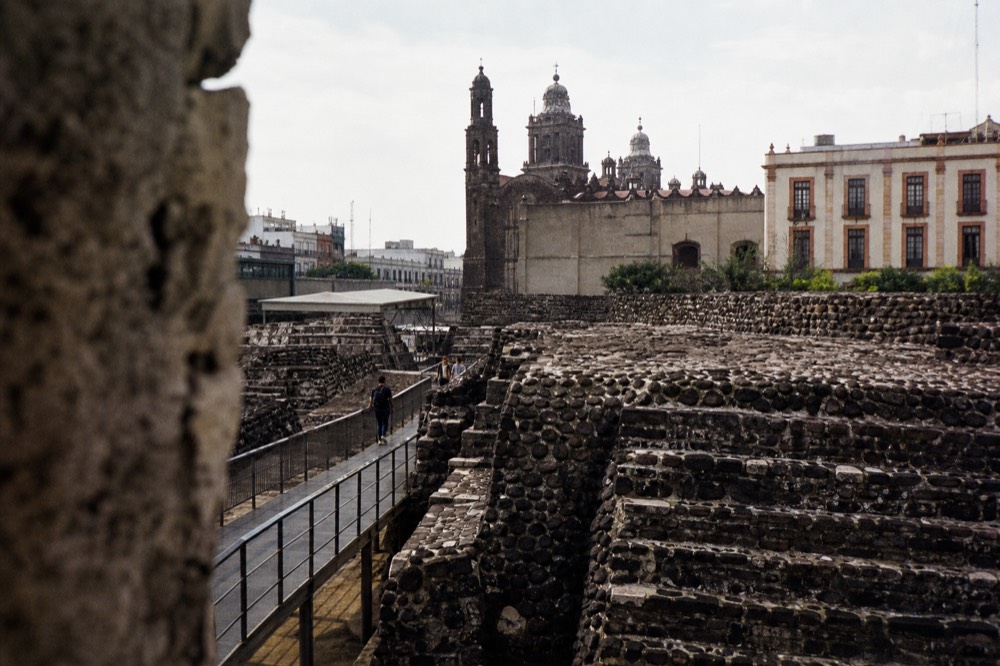
Centro Histórico, Mexico City · Aztec ruins beside the cathedral
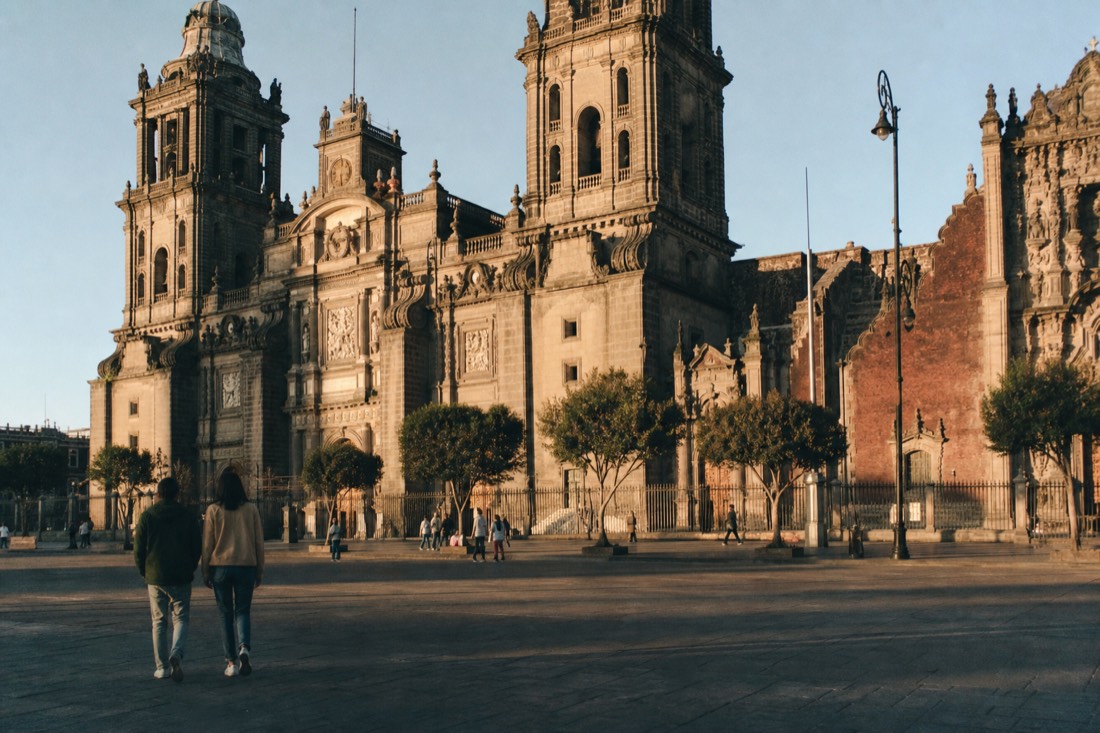
The excavated heart of Aztec Tenochtitlan beside the cathedral, where the twin temple to Tlaloc and Huitzilopochtli once stood, with a modern museum holding the great Coyolxauhqui and Tlaltecuhtli stones. A raised walkway crosses the ruins. Closed Mondays.
from $29ruins plus the site museum, live price on the listingCheck availability →
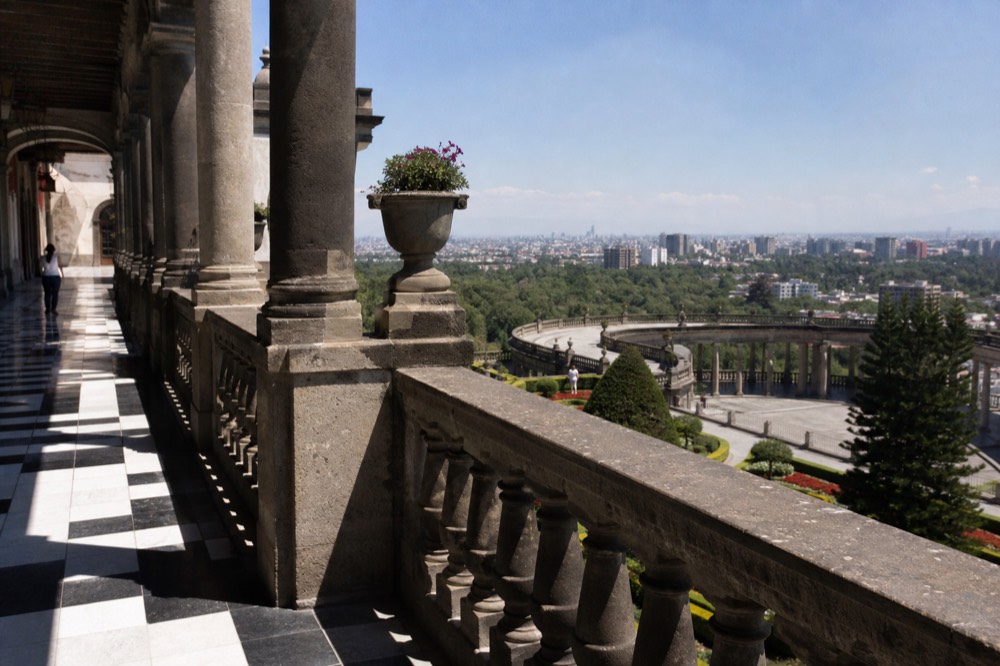
Bosque de Chapultepec, Mexico City · A hilltop castle and the national history museum
The only castle in the Americas to have housed royalty, on a hill above Chapultepec park, now the National Museum of History with Orozco and O'Gorman murals and long views down Reforma. Tickets are sold at the gate on the day. Closed Mondays.
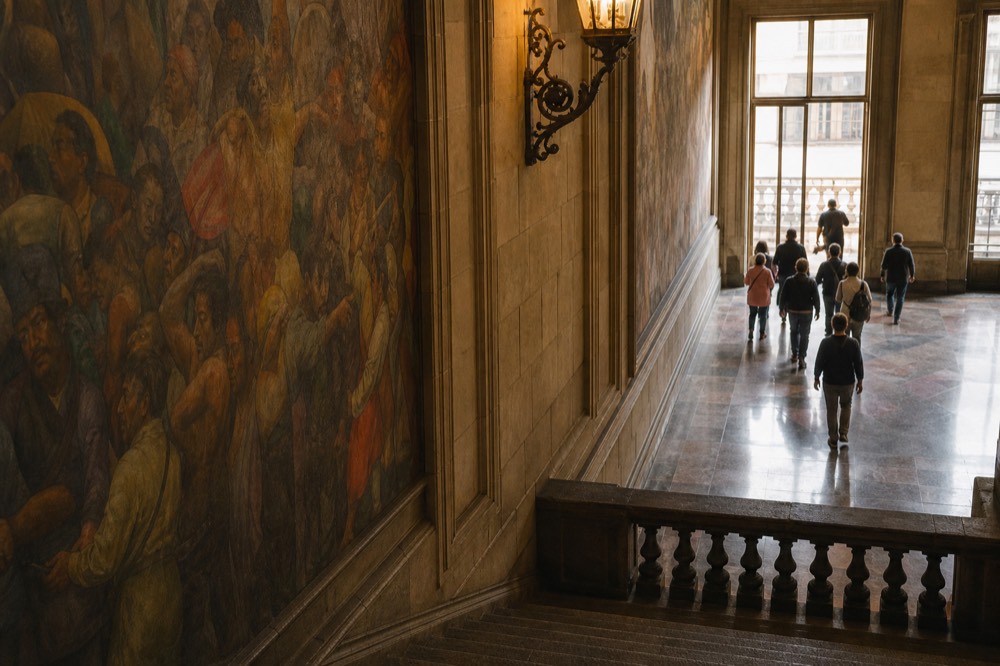
Centro Histórico, Mexico City · Diego Rivera's history murals, free with a photo ID
The seat of the federal government on the Zócalo, where Diego Rivera's vast staircase murals tell the history of Mexico across its walls. Entry is free with a photo ID and there is nothing to book. Guided walks of the Centro Histórico are how most visitors fold it into a day.