Modern Art Museums in Mexico City: MAM, Tamayo, Jumex and the Contemporary Scene in 2026
Where to see modern and contemporary art in Mexico City in 2026: MAM and The Two Fridas, the Tamayo, Jumex and the free Soumaya, plus prices and free days.
 By Diego Morales, Mexico City Museums Specialist & Cultural Guide
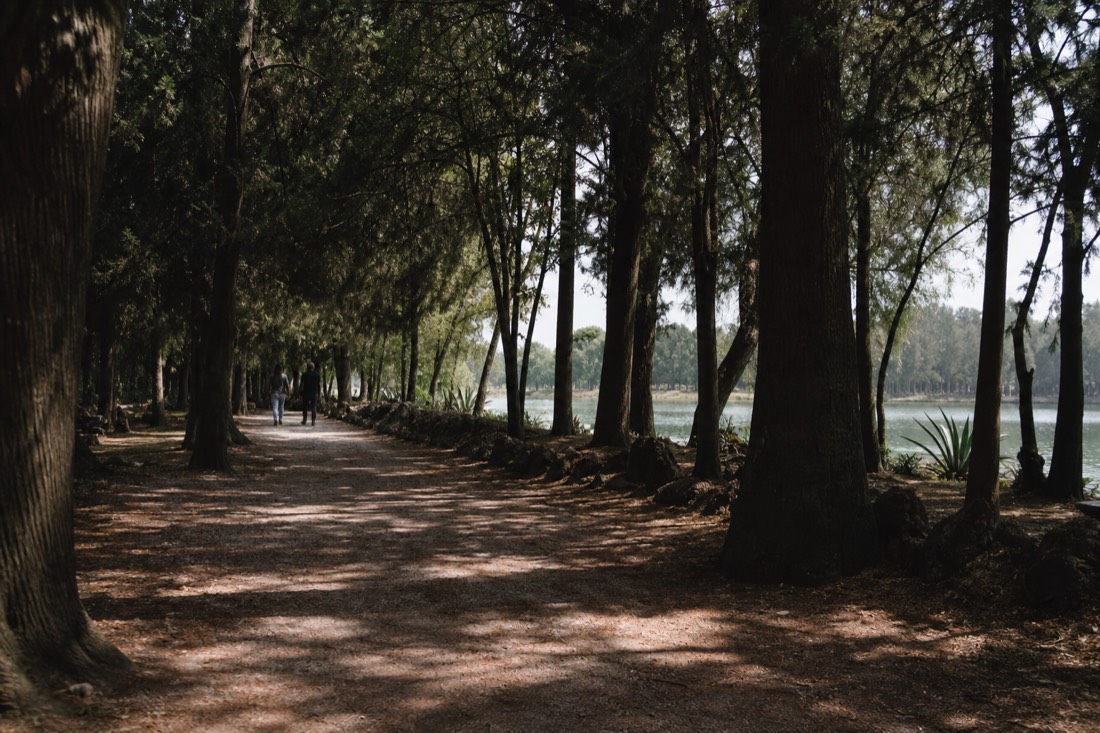
Frida Kahlo painted "The Two Fridas" in 1939, and it does not hang in her blue house in Coyoacán where most people go looking for her. It hangs in a low, round pavilion among the trees of Chapultepec, in the Museo de Arte Moderno, and half the visitors who queue for the Casa Azul never learn that the single most famous canvas of her career is a short walk from the anthropology halls, often with almost nobody in front of it.
That gap between where people look for modern Mexican art and where it actually lives is the reason for this guide. Our team keeps a running list of the modern and contemporary Mexico City museums that reward the trip, and the good news is that the best of them cost under 100 MXN, two are free on Sundays for everyone, and one is free every day. Here is where the twentieth and twenty-first centuries actually sit, with 2026 prices, current shows and the closed days that catch people out.
What counts as the modern and contemporary scene?
The core is the Museo de Arte Moderno for the Mexican modernists, the Museo Tamayo for international contemporary work, and the Museo Jumex for touring blue-chip shows. Add MUAC out at the university for scale and the free Museo Soumaya for a modern-feeling building you can visit any day. Most close Mondays; Soumaya does not.
Modern and contemporary here splits into two moods. There is the historic Mexican modernism, the muralists and the generation around Frida Kahlo and Rufino Tamayo, which lives mostly in Chapultepec at MAM and in the murals downtown. Then there is the international contemporary scene of the last few decades, which clusters in Nuevo Polanco at Jumex and Soumaya and out south at MUAC. Knowing which mood you want saves you a wasted crosstown trip.
The other thing to know is that this scene is younger and more scattered than the classical collections. Setting the muralists aside, most of the modern and contemporary holdings landed in Chapultepec and, more recently, in the reinvented industrial blocks of Nuevo Polanco, where the Soumaya and Jumex went up within a few years of each other. That spread is why a modern-art visit here is really two or three shorter outings rather than one long crawl, and why picking a cluster matters more than picking a single museum.
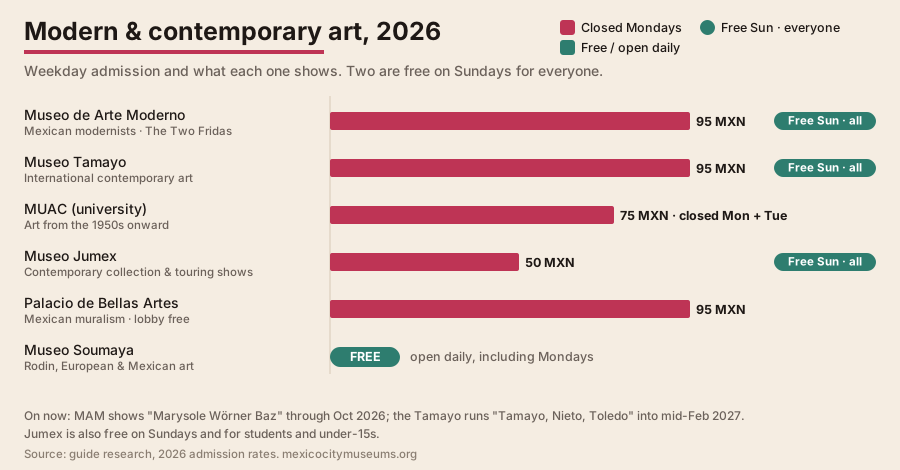
The table lays the field out with 2026 admissions and closed days. Prices sit in a friendly band, and the free-Sunday column is the one to read closely, because it works differently from museum to museum. The area column tells you which cluster each belongs to, and the two that matter are Chapultepec and Nuevo Polanco.
| Museum | Focus | 2026 admission | Area | Closed day |
|---|---|---|---|---|
| Museo de Arte Moderno (MAM) | Mexican modernists, The Two Fridas | Around 95 MXN (~$4.75) | Bosque de Chapultepec | Monday |
| Museo Tamayo | International contemporary art | Around 95 MXN (~$4.75) | Bosque de Chapultepec | Monday |
| Museo Jumex | Contemporary collection and touring shows | Around 50 MXN (~$2.50) | Nuevo Polanco | Monday |
| MUAC | Art from the 1950s onward | Around 75 MXN (~$5) | Ciudad Universitaria | Monday and Tuesday |
| Museo Soumaya | Rodin, European and Mexican art | Free | Nuevo Polanco | Open daily |
| Palacio de Bellas Artes | Mexican muralism | Around 95 MXN; lobby free | Centro Histórico | Monday (exhibitions) |
Where can you stand in front of The Two Fridas?
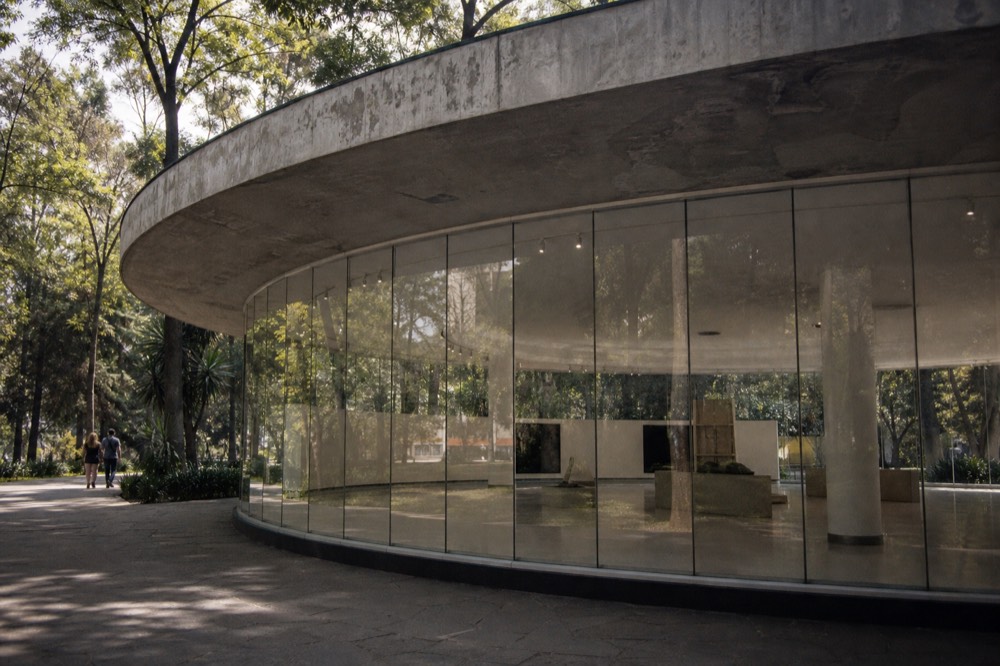
In the Museo de Arte Moderno, the round pavilion museum in Chapultepec that holds the best of twentieth-century Mexican art. Frida Kahlo's "The Two Fridas" is the headline, alongside work by Rivera, Siqueiros, Tamayo and Remedios Varo. Admission is around 95 MXN (~$4.75), it is free on Sundays for everyone, and it closes Mondays like the rest of the park.
MAM is the most underrated art museum in the city, and the reason is simple: it sits in the shadow of the Anthropology Museum a few hundred meters away, so the crowds walk past it. That works in your favor. You can often have "The Two Fridas" almost to yourself, which is unthinkable at the Casa Azul, and the surrounding collection is a genuine survey of Mexican modernism rather than a single-artist shrine. Two low circular buildings hold the permanent collection and the temporary shows, set among sculpture and trees.
The permanent collection is a who's-who of Mexican modernism. Alongside "The Two Fridas" you meet work by Diego Rivera, David Alfaro Siqueiros, Rufino Tamayo and the surrealists who made the city their home, among them Remedios Varo and Leonora Carrington. It is the clearest single room in Mexico City for understanding what came after the muralists, the moment national art turned personal and strange, and because visitors cluster at the anthropology halls next door, you often have that story nearly to yourself.
The current program is worth checking before you go. Through much of 2026 the museum has shown "Marysole Wörner Baz: Redenciones marginales," a retrospective of the Mexican surrealist, alongside rotating exhibitions in the second pavilion. Because MAM is free on Sundays for foreigners too, it is one of the only genuine no-cost art options for a visitor on a Sunday. It pairs naturally with the wider park cluster, which our Chapultepec park museums guide lays out as a walkable day, and you can confirm current shows and hours on the official MAM site.
How does the Tamayo differ from MAM?
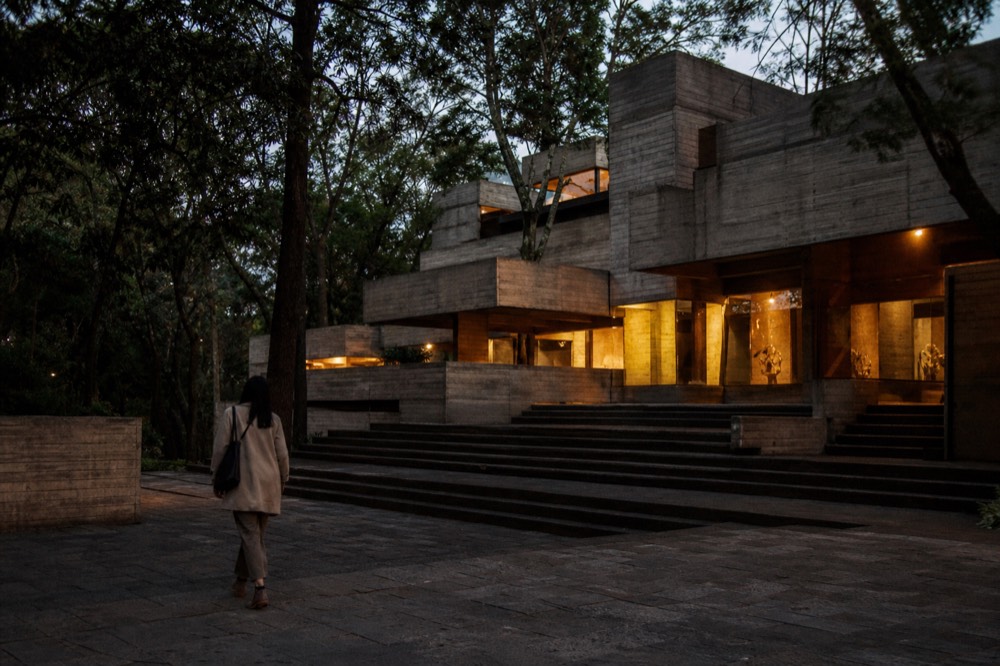
The Tamayo is the contemporary counterweight to MAM's modernism. Where MAM looks back at the mid-century Mexican masters, the Museo Tamayo shows international contemporary art in a concrete-and-glass landmark built by Rufino Tamayo to hold his own collection. It runs around 95 MXN (~$4.75), is free on Sundays for all, opens Tuesday to Sunday, and sits minutes from MAM.
The two make a natural pair because they are so close and so different. Tamayo, the painter, wanted a home for international modern and contemporary work in a country whose art scene leaned hard on muralism and national themes, and the museum keeps that outward-looking spirit. The building itself, a stepped concrete structure part-buried in the woods, is one of the finest pieces of 1980s architecture in the city, and the light in the upper galleries is superb.
The 2026 program has centered on "Tamayo, Nieto, Toledo. Todos los años en París," a show pairing three Oaxacan artists that runs into mid-February 2027, alongside changing contemporary exhibitions. Because both MAM and Tamayo are free on Sundays for everyone, a Sunday in Chapultepec can be a full day of modern art at no cost beyond transport. Check the current shows on the official Museo Tamayo site. The table sets the two side by side.
| Detail | Museo de Arte Moderno | Museo Tamayo |
|---|---|---|
| Focus | Mexican modernists, mid-20th century | International contemporary art |
| Headline draw | Frida Kahlo's The Two Fridas | Tamayo, Nieto, Toledo (to Feb 2027) |
| 2026 admission | Around 95 MXN (~$4.75) | Around 95 MXN (~$4.75) |
| Free Sunday | Free for everyone | Free for everyone |
| Closed | Monday | Monday |
Where does the cutting edge sit, at Jumex and MUAC?
For the newest, most international contemporary art, head to the Museo Jumex in Nuevo Polanco and MUAC out at the university. Jumex, in a David Chipperfield building facing the Soumaya, shows blue-chip touring exhibitions at around 50 MXN (~$2.50). MUAC, on the university campus in the south, holds the largest contemporary galleries in the city at around 75 MXN.
Jumex is where the international art world lands when it comes to Mexico City. The Fundación Jumex collection is one of the most important private holdings of contemporary art in Latin America, and the museum programs the kind of touring retrospectives that would headline a season in New York or London. General admission is low, around 50 MXN, with free entry on Sundays and for students and under-15s, and it closes Mondays. Standing on Plaza Carso between Jumex and the Soumaya, you have two of the city's biggest art draws facing each other, one contemporary and one classical, both cheap or free.
MUAC, the university contemporary art museum, is the other serious contemporary space, on the Ciudad Universitaria campus alongside the O'Gorman library and the Espacio Escultórico. It shows Mexican and international art from the 1950s on across vast, light galleries, at around 75 MXN, open Wednesday to Sunday. It rewards the trip south for anyone who wants scale and ambition rather than a quick stop. Preview the current Jumex program on the Fundación Jumex site.
Going to MUAC also puts you on the Ciudad Universitaria itself, the mid-century campus that is a landmark of modern Mexican architecture and muralism. O'Gorman's mosaic-clad Central Library stands a short walk away, the Espacio Escultórico lava field sits nearby, and the whole ensemble is a recognized piece of world heritage. For a contemporary-art visitor, the setting is half the reason to make the trip south, and it pairs naturally with a wander through the university's public art.
| Museum | What it shows | 2026 admission | Open days |
|---|---|---|---|
| Museo Jumex | Contemporary collection and touring shows | Around 50 MXN (~$2.50) | Tuesday to Sunday |
| MUAC | Art from the 1950s onward | Around 75 MXN (~$5) | Wednesday to Sunday |
Is Museo Soumaya modern art, or something else?
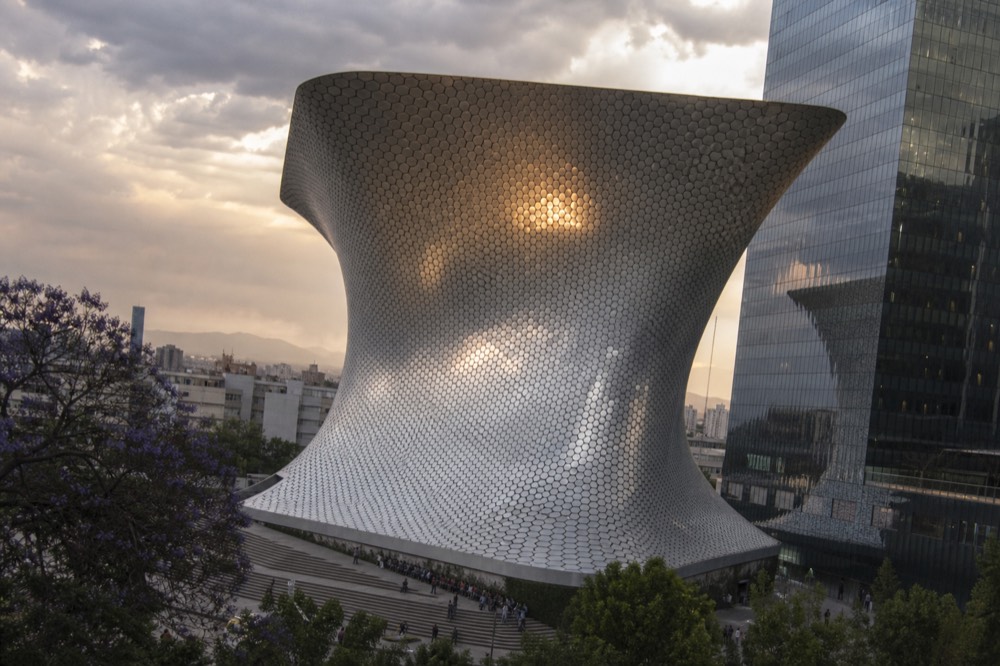
Both, honestly. The Museo Soumaya is a strikingly modern building, a mirror-clad silver wave in Nuevo Polanco, but its collection leans older: Rodin bronzes, European old masters and Mexican art rather than contemporary work. It earns a place here as the free, daily-open art museum you can pair with Jumex across the plaza, and because the architecture alone is a modern landmark.
We include the Soumaya on a modern-art list with an honest caveat. If you come expecting cutting-edge contemporary work, the collection will surprise you, because its strength is the nineteenth-century Rodin holdings and European painting rather than anything recent. What makes it belong is the building and the price. The structure, wrapped in sixteen thousand hexagonal tiles, is one of the defining pieces of modern architecture in the city, and entry is free every day, including Mondays, when nearly every other art museum closes.
That combination, free and open daily, makes the Soumaya the anchor of a Nuevo Polanco art afternoon. Do the Soumaya and Jumex together and you get classical and contemporary within a two-minute walk, one free and one nearly so. It is also a rare option on a Monday, a day that otherwise leaves the art-minded visitor with slim pickings, as our guide to which museums open on Mondays spells out.
The bookable option here is an optional guided visit rather than a ticket, since entry is free, and it carries a sell-out flag on busy days, so check the Museo Soumaya guided tour page for your date.
Does modern Mexican art run through Bellas Artes and MUNAL too?
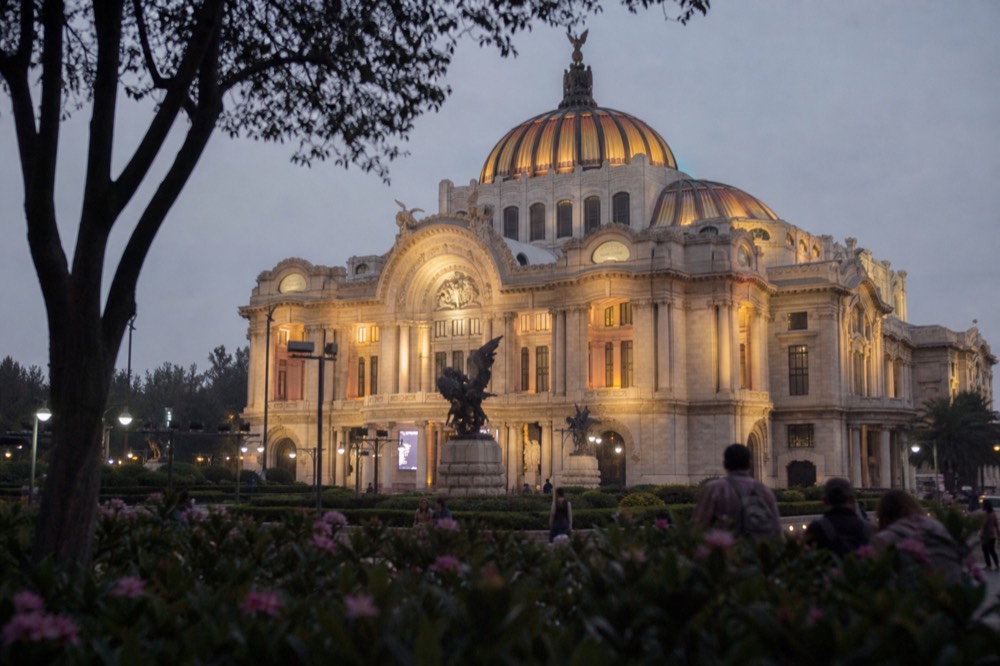
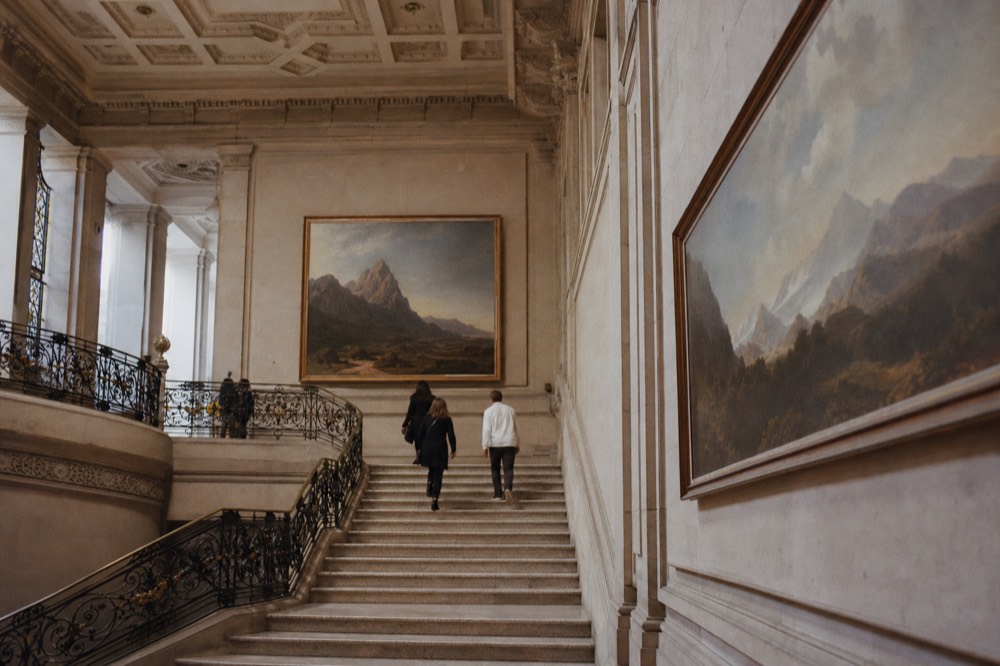
Yes, and skipping them misreads the story. Mexican modernism starts with the muralists, and their masterworks hang on the top floor of Palacio de Bellas Artes, at around 95 MXN with a free lobby. MUNAL then carries the collection up to 1954, the year Frida Kahlo died, closing the gap between the academic nineteenth century and the modern breakthrough.
Bellas Artes is where modern Mexican art went public. The murals by Rivera, Orozco, Siqueiros and Tamayo on the third floor are the founding documents of the movement that made Mexican art internationally famous, and Rivera's "Man, Controller of the Universe," recreated after the Rockefeller original was destroyed, is the centerpiece. The upstairs museum costs only a small INBAL admission, and the Art Deco building around it is free to walk into. For a fuller tour of the murals across the city, our art and mural museums guide maps where they all are.
Book museum entry ahead on the Palacio de Bellas Artes entrance page for a busy weekend.
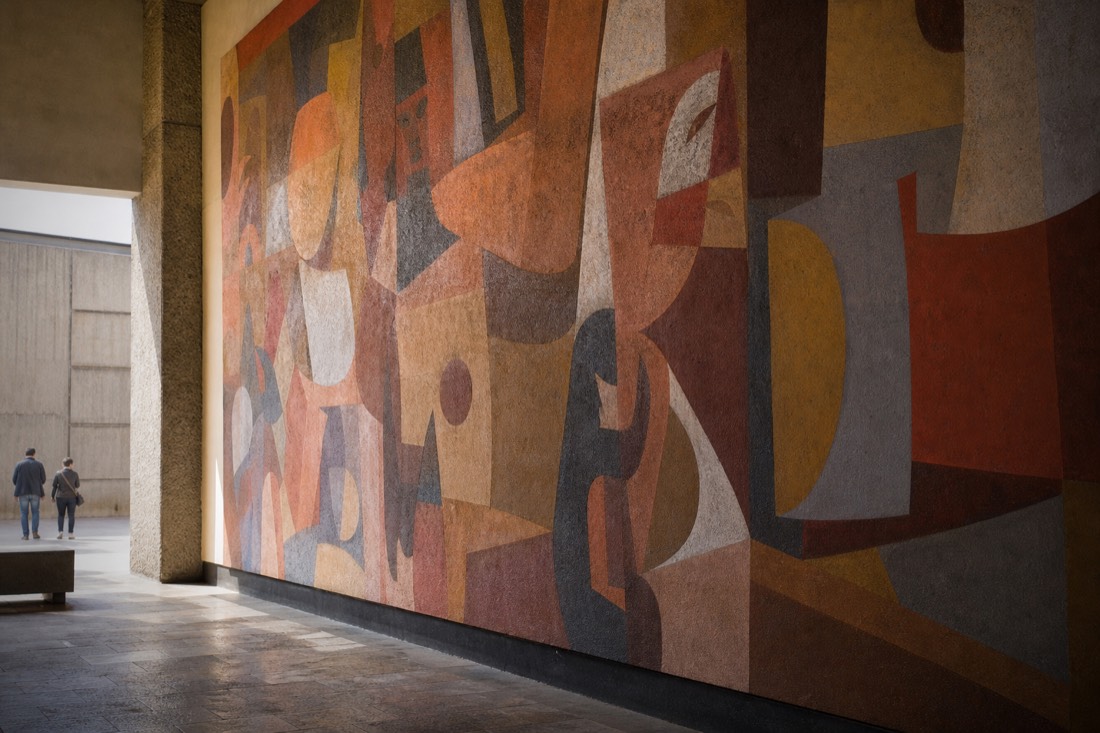
The city spreads modern Mexican art across several buildings by era, which is why no single museum tells the whole story. The table below maps who anchors what.
| Era or strand | Where to see it | Key names |
|---|---|---|
| The muralist breakthrough | Palacio de Bellas Artes, Palacio Nacional | Rivera, Orozco, Siqueiros |
| The generation around Frida | Museo de Arte Moderno | Kahlo, Tamayo, Varo |
| International contemporary | Museo Tamayo, Museo Jumex | Rotating global shows |
| The run-up to modernism | MUNAL | Velasco and the academic 1900s |
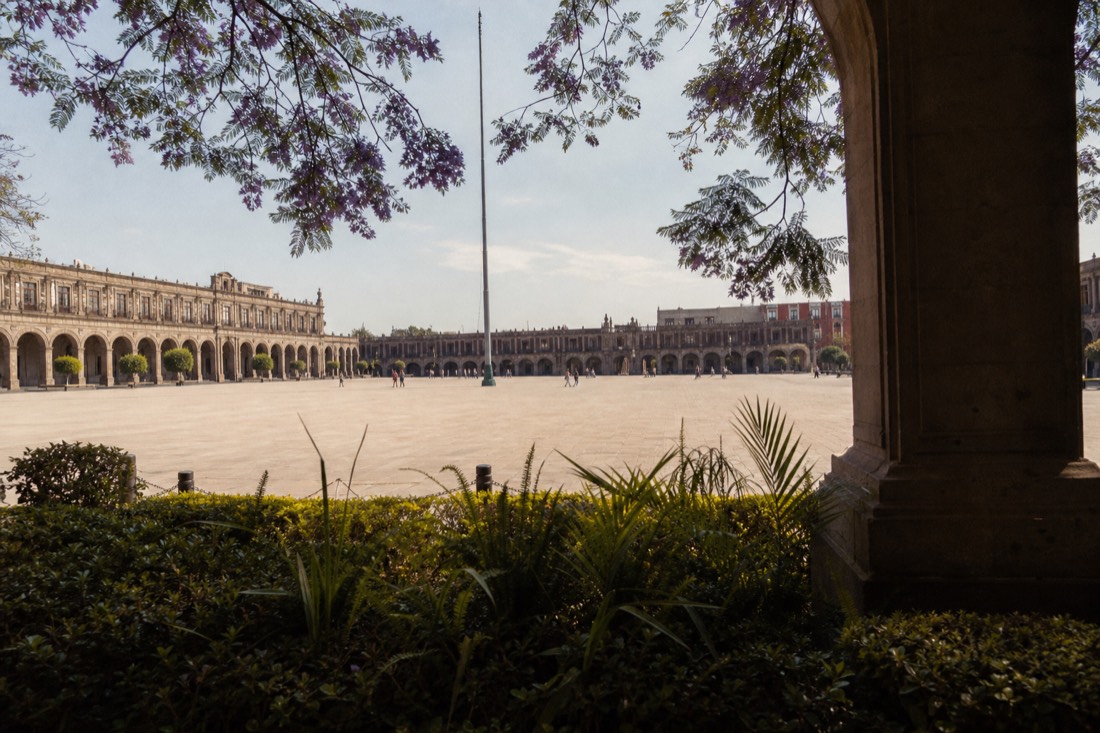
MUNAL, the national art museum a few blocks away, is the collection that leads up to all of this. It traces Mexican painting from the viceroyalty through the landscapes of José María Velasco to the early modern work of the 1900s, ending its main narrative around the mid-twentieth century. For anyone who wants to understand where the modernists came from rather than just admiring the result, it is the missing chapter, in a beaux-arts palace worth the visit on its own.
Reserve a guided walk-through on the MUNAL guided visit page if you want the through-line explained.
What do these museums cost, and when are they open?
Almost all sit under 100 MXN, and the free-Sunday rules vary in a way worth learning. MAM and Tamayo are free on Sundays for everyone; Jumex is free on Sundays and for students; Soumaya is free every day. Bellas Artes and MUNAL follow the standard INBAL rule where free Sunday covers residents only. Nearly all close Mondays; Soumaya opens daily.
The pricing is one of the quiet joys of modern art here. A full weekend could take in MAM, Tamayo, Jumex, Soumaya and Bellas Artes for less than the cost of one major-museum ticket in Europe, and on a Sunday two of them are free to foreigners outright. The trick is knowing which free-Sunday applies to you, because the much-repeated rule works differently across the INBAL, university and private museums.
Here is the honest breakdown, because older guides blur it. The standard INAH and INBAL free-Sunday covers Mexican nationals and residents with ID only, so as a foreign visitor you normally pay. The exceptions that matter for modern art are MAM and Tamayo, both free on Sundays for everyone, and the Soumaya, free every day for all. Our free museums guide carries the full residents-versus-everyone picture. The table below shows who actually gets in free where.
| Museum | 2026 admission | Who is free on Sunday | Closed day |
|---|---|---|---|
| Museo de Arte Moderno | Around 95 MXN | Everyone, foreigners included | Monday |
| Museo Tamayo | Around 95 MXN | Everyone, foreigners included | Monday |
| Museo Jumex | Around 50 MXN | Everyone, plus students and under-15s | Monday |
| Museo Soumaya | Free | Free every day for all | Open daily |
| Palacio de Bellas Artes | Around 95 MXN; lobby free | Residents with ID | Monday (exhibitions) |
| MUNAL | Low INBAL admission | Residents with ID | Monday |
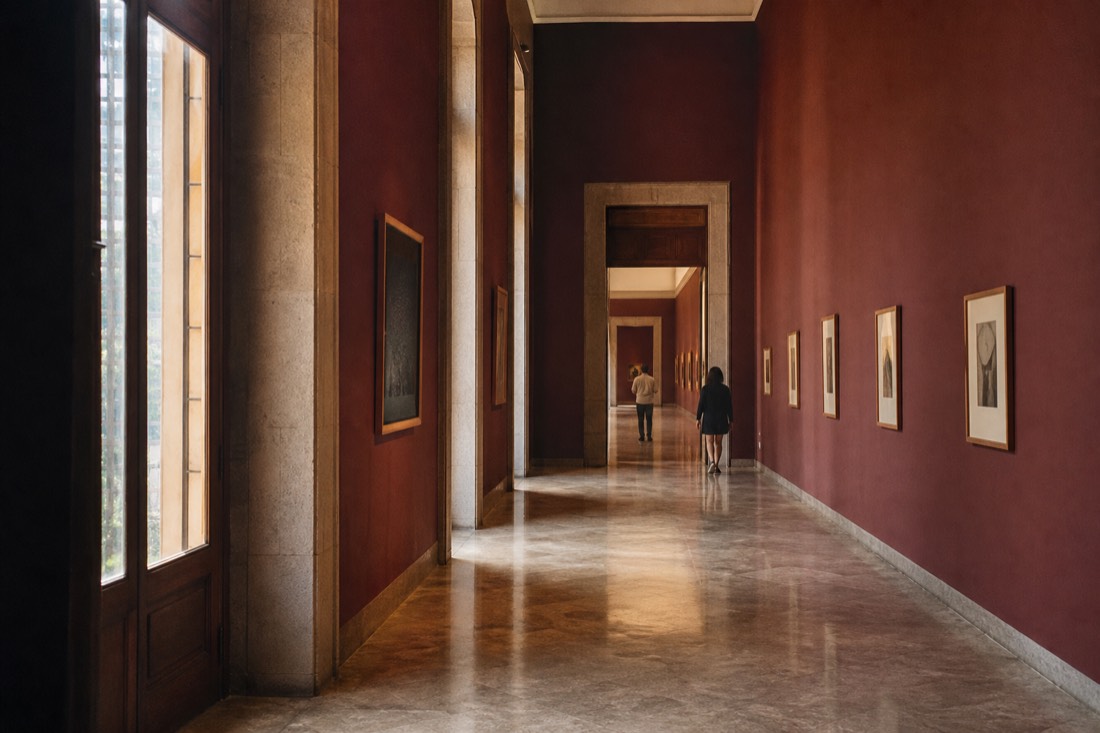
How do you plan a modern-art day, and dodge the closures?
Split it by cluster. Give Chapultepec a green day of MAM and Tamayo, minutes apart and both free on Sundays. Save Nuevo Polanco for Soumaya and Jumex facing each other on Plaza Carso. Keep MUAC for a dedicated trip south, and add Bellas Artes on a downtown day. Avoid Monday for everything but the free Soumaya.
The Chapultepec pairing is the one to prioritize, especially on a Sunday when MAM and Tamayo are free to everyone. Do them back to back, with the Anthropology Museum or the castle as a bigger anchor if you want a fuller day, and you have modern Mexican art and international contemporary work in a single park. For choosing across the wider set, the blog on the must-see museums ranks them against the heavyweights.
Nuevo Polanco is the efficient half-day: Soumaya and Jumex are a two-minute walk apart, one free daily and one nearly free, so you can see a lot for almost nothing. MUAC asks for its own trip to the university campus, best combined with the O'Gorman library mosaic and the botanical garden nearby. Whatever you build, the rule is the same as with any city holding this much art: fewer museums, more time in each, and let the free ones fill the gaps between the ticketed shows.
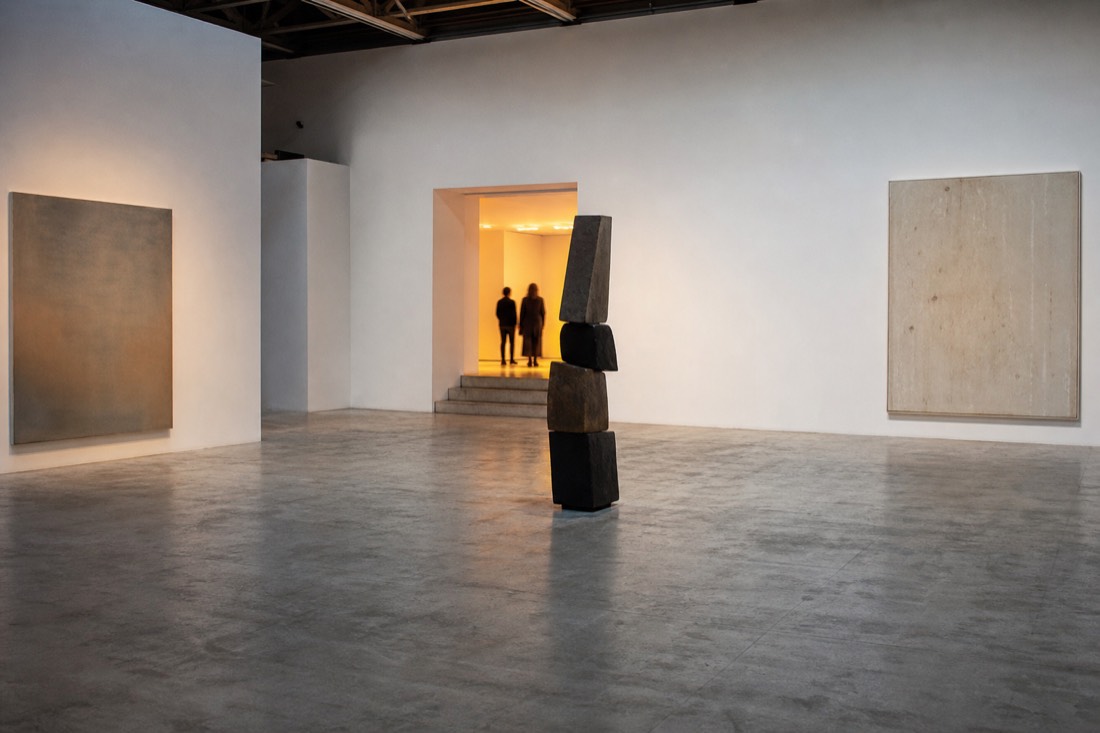
The shortcut we reach for, when someone just wants a plan, is below, matched to what you are in the mood for.
| If you want | Do this | Why it works |
|---|---|---|
| Modern Mexican masters | The Museo de Arte Moderno | The Two Fridas and the mid-century generation |
| International contemporary art | The Tamayo, then Jumex | The city's two serious contemporary spaces |
| A free Sunday of modern art | MAM and Tamayo in Chapultepec | Free for everyone on Sundays |
| A free Monday | The Museo Soumaya | Open daily when the modern museums close |
If you take one thing from this guide, let it be where "The Two Fridas" actually is. The most famous modern Mexican canvas hangs in a quiet Chapultepec pavilion, free on Sundays, while crowds queue across town for a house that does not hold it. Do MAM and Tamayo on a Sunday, pair Soumaya with Jumex in Polanco, and you will have seen the real modern art of the city for a fraction of what everyone assumes it costs.