Coyoacán Museums Guide: Casa Azul, Anahuacalli and a Walkable Day for 2026
A walkable Coyoacán and San Ángel museum plan for 2026: the Frida Kahlo Casa Azul, Museo Anahuacalli, the Trotsky house and the Casa Estudio, with real prices and transport.
 By Diego Morales, Mexico City Museums Specialist & Cultural Guide
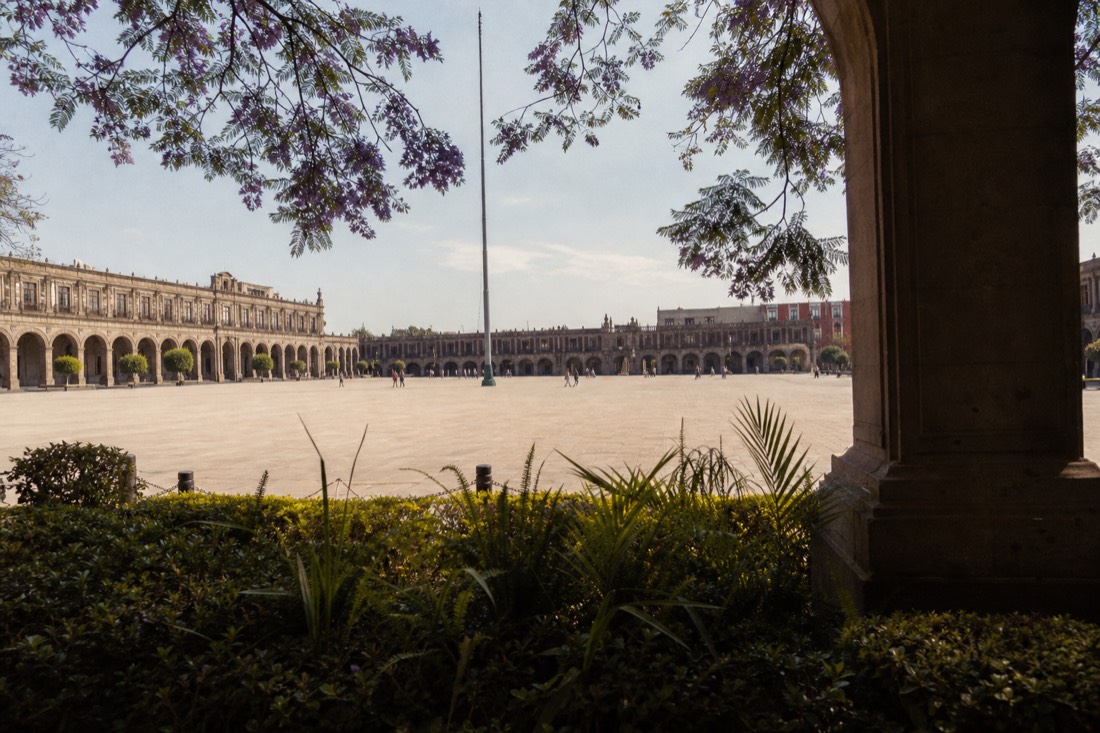
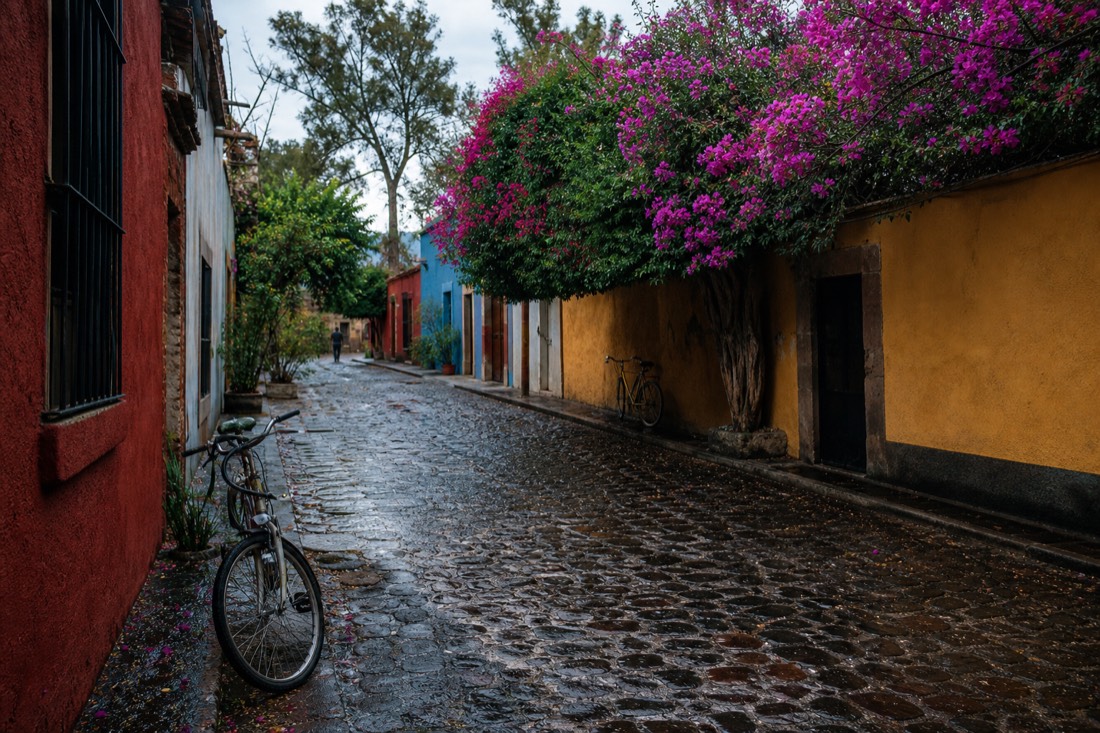
Coyoacán still feels like the village it once was, a knot of cobbled streets, shaded plazas and colonial houses that the city grew around rather than over. Frida Kahlo was born here, lived here and died here, and the cobalt-blue house where she did it draws the crowds, but the neighborhood holds far more than one museum. Within a short walk of the Jardín Centenario you can stand in the room where Trotsky was killed, browse a folk-art collection, and drink coffee where writers still argue in the plazas.
Our team plans a lot of southern-city days, and Coyoacán is the cluster we send people to when they want the Mexico City museums that come with a neighborhood attached. This guide sets out the museums worth your time here and in neighboring San Ángel, with real 2026 foreigner prices, the one ticket that sells out weeks ahead, and an honest walking plan that admits which stops need a taxi. The Casa Azul is the headline. It is also the one you have to plan around first.
What museums are in Coyoacán and San Ángel?
Coyoacán holds the Frida Kahlo Casa Azul, Diego Rivera's volcanic-stone Anahuacalli, the Casa de León Trotsky and the free Museo Nacional de Culturas Populares, all in the southern city. Neighboring San Ángel adds the Casa Estudio, the couple's functionalist studio-houses. Most close Mondays, and only the Casa Azul needs booking weeks ahead.
Think of the southern museum map as a tight core with two outliers. The walkable heart is central Coyoacán, around the twin plazas of Jardín Centenario and Jardín Hidalgo, where the Casa Azul, the Trotsky house and the Culturas Populares museum all sit within a fifteen-minute stroll. The two outliers are Museo Anahuacalli, deep in the southern pedregal with no Metro nearby, and the Casa Estudio in San Ángel, a separate neighborhood across the valley. Both are worth the trip; neither is a walk from the plazas.
The pricing splits along familiar lines. The Casa Azul is the expensive, hard-to-get ticket at around 320 MXN, timed and online only. Anahuacalli comes free with that same ticket, which quietly makes it the best value in the borough. The rest are small INBAL or state admissions in the tens of pesos. The table below sets the field out before we take each in turn.
| Museum | Area | What it is | 2026 foreigner adult | Closed |
|---|---|---|---|---|
| Frida Kahlo Museum (Casa Azul) | Central Coyoacán | Frida's house and studio | Around 320 MXN (~$16) | Monday |
| Museo Anahuacalli | Southern Coyoacán | Rivera's pre-Hispanic collection in volcanic stone | Free with the Casa Azul ticket | Monday |
| Casa de León Trotsky | Central Coyoacán | Trotsky's preserved house of exile | Around 70 MXN | Monday |
| Museo Nacional de Culturas Populares | Central Coyoacán | Folk and popular arts of Mexico | Free or low admission | Monday |
| Casa Estudio Diego Rivera y Frida Kahlo | San Ángel | O'Gorman's functionalist studio-houses | Around 45 MXN (~$2.25) | Monday |
Is the Casa Azul the reason to come?
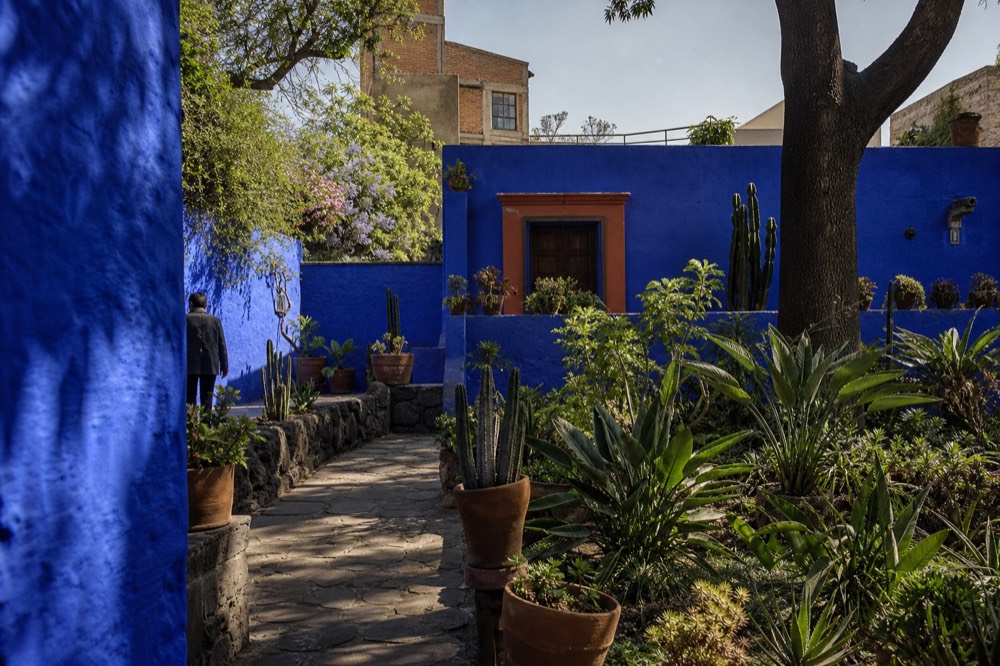
For most visitors, yes, but only if you book ahead. The Casa Azul in Coyoacán is where Frida Kahlo was born, worked and died, kept with her studio, wheelchair, painted corsets and collection. The catch is real: tickets are timed, sold online only, and routinely gone four to six weeks out. Foreigner admission is around 320 MXN (~$16), closed Mondays.
No museum in the city generates more disappointment at the door, because there is no door sale. The official Casa Azul ticketing site releases timed slots, they sell out well in advance, and there is no same-day walk-up window. People arrive in Coyoacán expecting to buy on the spot and cannot. The single most useful thing we can tell you is to book the moment your dates are firm, and to treat a sold-out day as a reason to shift your plan, not to show up hopeful. Our blog on whether you need advance tickets for the Frida Kahlo Museum is blunt about it: you do.
The house rewards the effort. The kitchen, the day and night studios, the four-poster bed with its mirror overhead and the garden of volcanic stone are kept close to how she left them, and a wing shows the wardrobe and corsets that only went on public display in the last decade. A newer complement, the Museo Casa Kahlo in the nearby Casa Roja, opened in late 2025 with more of her personal effects, if you want to go deeper on the family. For the fuller verdict, see our take on whether the Frida Kahlo Museum is worth it, and for timing, the best day to visit the Casa Azul.
| Casa Azul | 2026 |
|---|---|
| Foreigner adult | Around 320 MXN (~$16); check the live listing |
| Booking | Timed slots, online only, no walk-up |
| Availability | Often sold out four to six weeks ahead |
| Included | Courtesy entry to Museo Anahuacalli |
| Closed | Mondays |
| Best time | First weekday morning slot |
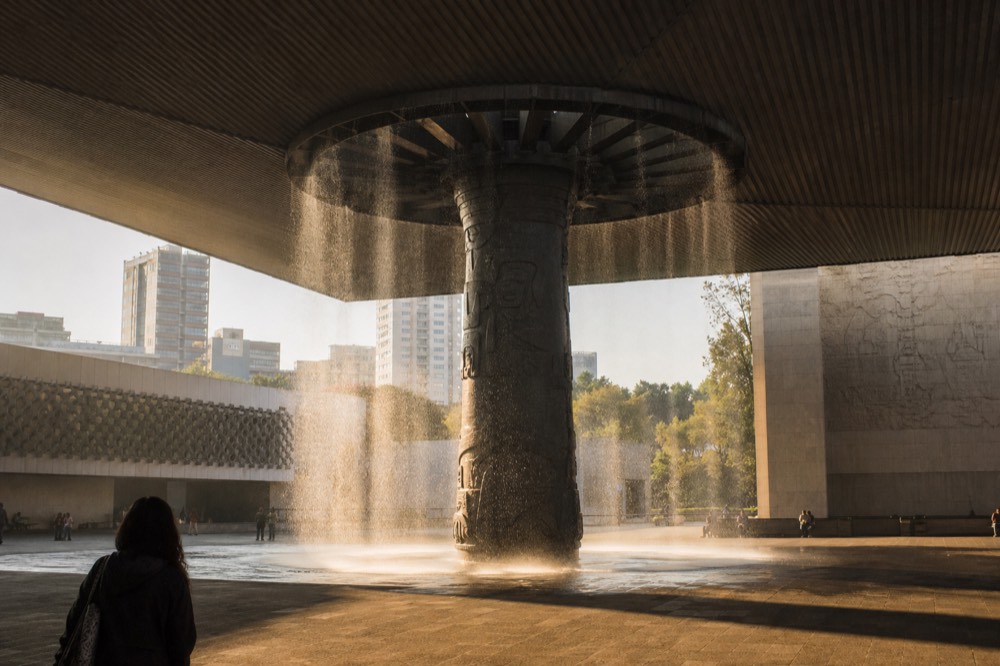
The bookable ticket pairs the Blue House with Anahuacalli and a digital guide, and it carries a genuine sell-out flag, so hold your date early on the Frida Kahlo Museum tickets page.
What is Museo Anahuacalli, and is it included?
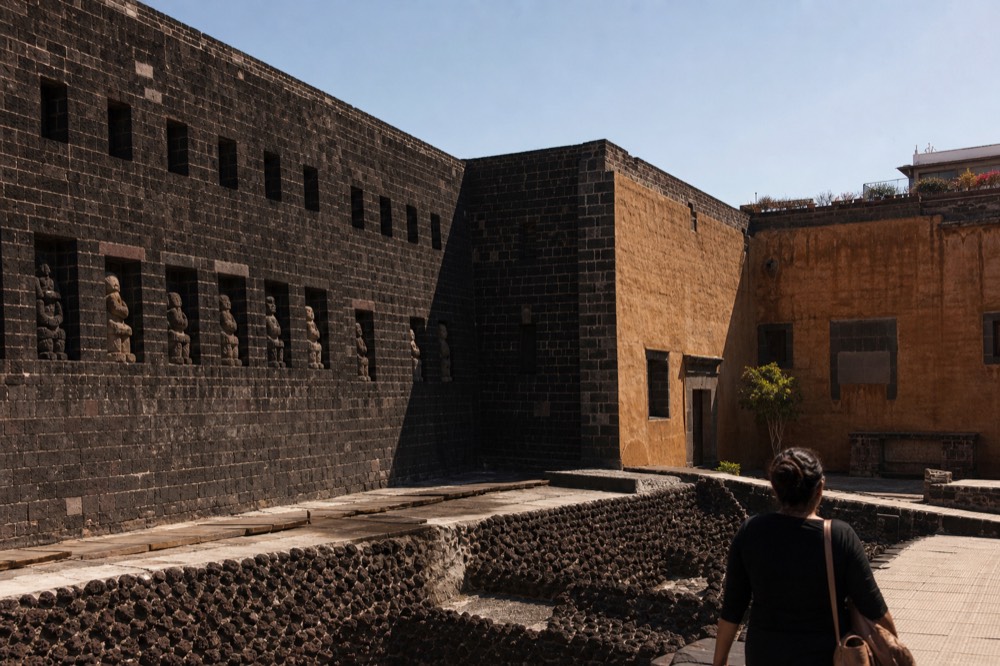
It is Diego Rivera's dark temple to his own collection, and yes, your Casa Azul ticket already covers it. Anahuacalli is a fortress of black volcanic stone that Rivera designed to hold thousands of pre-Hispanic figures, topped by stone-mosaic ceilings he made himself. Show the same Frida ticket at the door and you walk in free, closed Mondays.
This is the best-kept-secret half of the Frida ticket. The building itself is the main exhibit, a windowless-looking mass of pedregal stone rising from the old lava fields, its low chambers lined with masks, vessels and figures Rivera gathered over decades, from Teotihuacán to the western shaft-tomb cultures. Look up as you go: the ceilings are worked into frogs, serpents and cosmic figures. Higher up you reach a roof terrace that opens toward the volcanoes on a clear day, and around the Day of the Dead the museum builds one of the city's most striking monumental ofrendas here.
The honest caveat is the location. Anahuacalli sits deep in southern Coyoacán with no Metro within walking distance, so a taxi or rideshare is the realistic way in, and it is not walkable from the Casa Azul despite sharing a ticket. On weekends a paid guided route, the Ruta Frida y Diego, runs a shuttle that links the two houses directly. Because the Casa Azul slot is the timed, sell-out part of the pair, that is the one to book early; Anahuacalli itself is quiet, so once the Frida ticket is in hand the second visit is the easy half. Allow about an hour for the stone chambers, the collection and the roof.
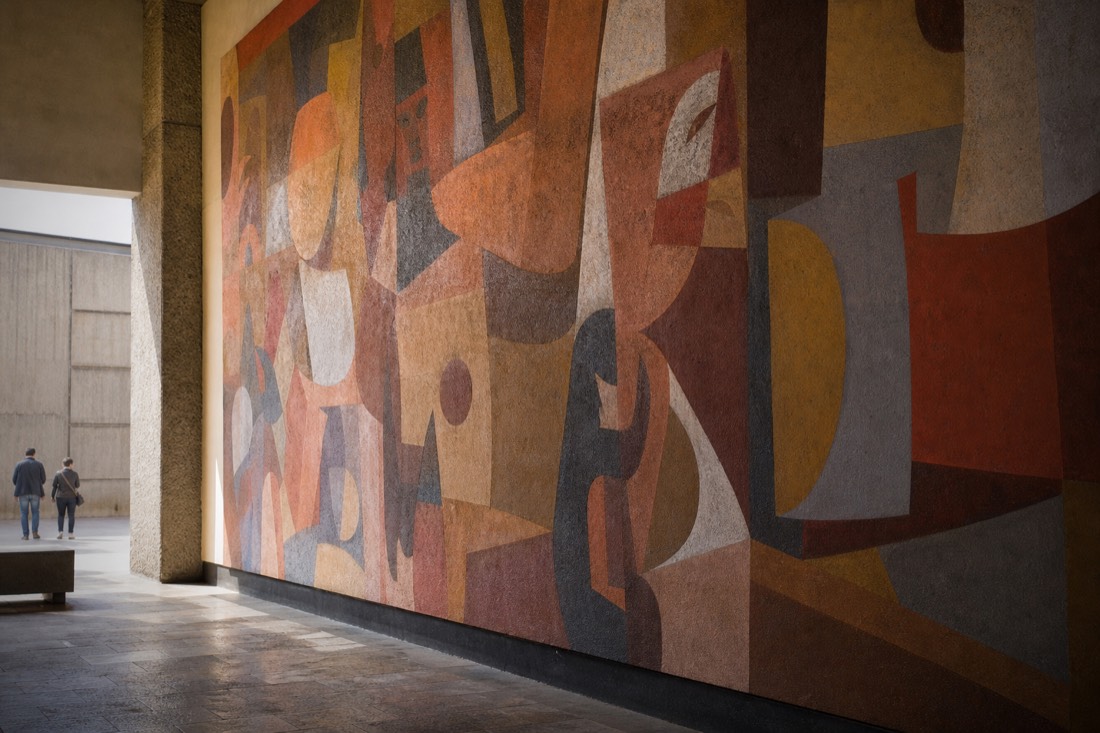
Since Anahuacalli rides the same ticket, plan both together and hold the pair on the Museo Anahuacalli entry page.
Which smaller Coyoacán museums are worth it?
Two stand out near the plazas. The Casa de León Trotsky, on Río Churubusco, keeps the exiled revolutionary's house and garden exactly as they were the day he was killed there in 1940, for around 70 MXN. The free Museo Nacional de Culturas Populares, off the Jardín Hidalgo, celebrates Mexican folk and popular art. Both close Mondays and both are a short walk from the Casa Azul.
The Trotsky house is the one people are surprised by. After breaking with Stalin, Trotsky spent his last years fortified in this Coyoacán compound, and it survives with the study where an assassin drove an ice axe into his skull, the desk and papers left as they were, and his ashes buried under a stone marked with a hammer and sickle in the garden. It is a compact, sober hour, a mile from the tourist bustle of the Casa Azul, and it pairs naturally with a Frida day because the two houses are a fifteen-minute walk apart.
The Museo Nacional de Culturas Populares is the easy, free counterweight, a set of courtyards and galleries given over to the crafts, festivals and everyday arts of the country, with rotating shows that change what you find. It sits right on the main Coyoacán drag toward the plazas, so it slots into a wander between coffee stops without needing a plan. If your Coyoacán day has children in it, the UNAM science museum Universum lies further south near Ciudad Universitaria, a longer trip but a strong hands-on stop, covered in our museums for kids guide.
| Smaller museum | Admission | Time to allow | Note |
|---|---|---|---|
| Casa de León Trotsky | Around 70 MXN | About 1 hour | 15-minute walk from the Casa Azul |
| Museo Nacional de Culturas Populares | Free or low | 45 minutes to 1 hour | On the main Coyoacán plaza drag |
| Universum (UNAM) | Around 90 MXN | 2 to 3 hours | Near Ciudad Universitaria; closed Mon and Tue |
Is San Ángel worth the trip across?
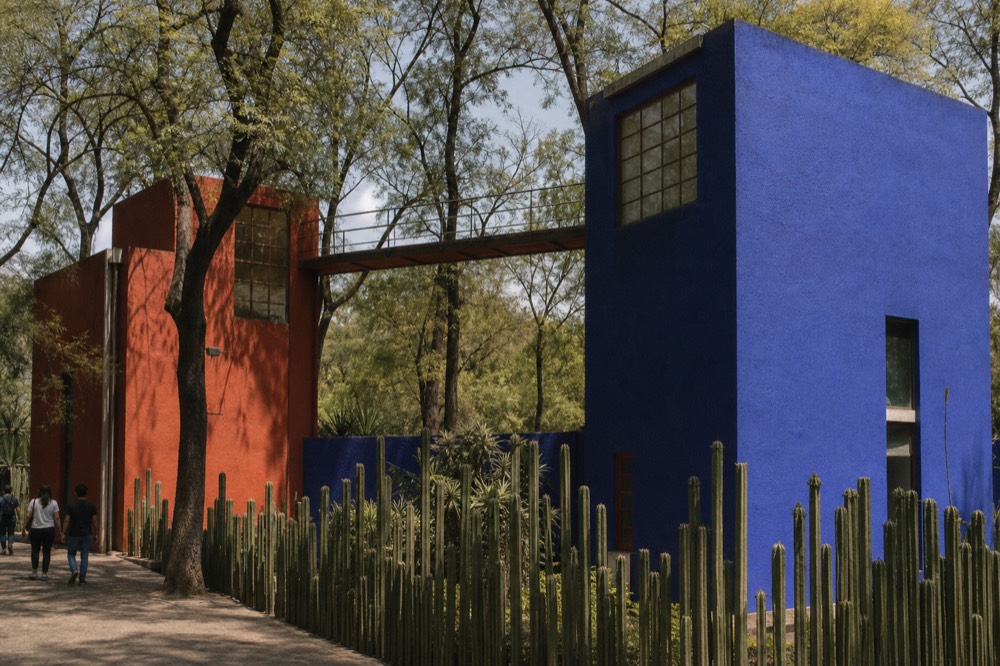
If you like the couple or modern architecture, yes. San Ángel, a separate cobbled neighborhood west of Coyoacán, holds the Casa Estudio Diego Rivera y Frida Kahlo: Juan O'Gorman's twin functionalist houses, one red, one blue, linked by a rooftop bridge, with Rivera's studio kept intact. Admission is small, around 45 MXN, closed Mondays.
The Casa Estudio is where Rivera and Kahlo lived and worked in the early 1930s, and the architecture is the reason to come. O'Gorman built two boxy concrete houses among the first functionalist buildings in Latin America, with tall industrial windows, a fence of organ-pipe cactus, and a narrow bridge crossing the rooftops between them. Rivera kept his double-height studio in the red house, its wall of glass throwing even north light across the room, still hung with easels and the giant papier-mâché Judas figures he collected. It is a compact, architecture-first visit of about forty-five minutes.
San Ángel is a separate district, not a Coyoacán walk, so treat it as its own half-day rather than a stop you squeeze in. Metrobús Line 1 or a short taxi from the Barranca del Muerto Metro gets you there, and the neighborhood rewards a wander in its own right, especially on Saturdays when the Bazaar Sábado art market fills the plaza. Book entry on the Casa Estudio ticket page. One honesty note carries over from the federal museums: free-Sunday here covers Mexican nationals and residents with ID, and foreign visitors pay the standard fee any day.
| Casa Estudio (San Ángel) | Detail |
|---|---|
| Admission | Around 45 MXN (~$2.25) |
| Open | Tuesday to Sunday |
| Closed | Mondays |
| Free Sunday | Residents with ID; foreigners pay |
| Getting there | Metrobús Line 1 or taxi from Barranca del Muerto |
| Time needed | 45 minutes to 1 hour |
Where does the pre-Hispanic collection fit?
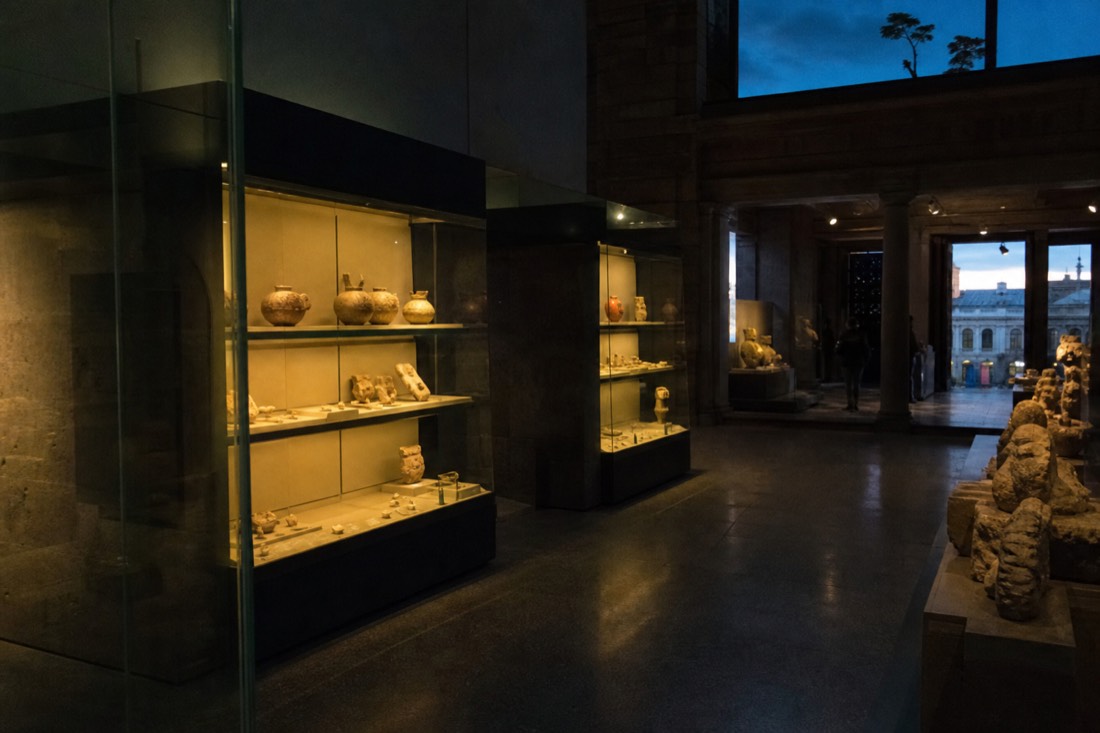
In Chapultepec, on a national scale. Rivera built Anahuacalli to hold his private hoard of pre-Hispanic art, and the museum that puts it in context is the National Museum of Anthropology across town. Its halls run from the Olmec heads to the Aztec Sun Stone, the deepest such collection in the country. Foreigner admission is around 210 MXN (~$10.50), closed Mondays.
Seeing Anahuacalli and then Anthropology, or the other way round, is the pairing that makes both land. Anahuacalli shows you what one obsessive collector gathered in a lifetime, packed into a stone temple of his own design. The Anthropology Museum shows you the same civilizations laid out with the resources of a nation: the Mexica hall with the Sun Stone, the full-scale Teotihuacán temple facade, the Maya hall with Pakal's jade death mask. One is personal and dark and strange; the other is monumental and exhaustive.
It is not a Coyoacán stop, so save it for a Chapultepec day rather than trying to fold it into the southern loop. The two clusters, Coyoacán and Chapultepec, are the backbone of a proper museum trip, and our Chapultepec park museums guide maps the other half. Anthropology needs three to four hours in its own right, so give it the morning it deserves. The bookable ticket adds a timed slot and a digital guide, worth it on the weekends when the busiest museum in Mexico runs a line at the gate.
Hold a timed slot on the Anthropology Museum entry ticket page for the day you give to Chapultepec.
How do you walk a Coyoacán day without a car?
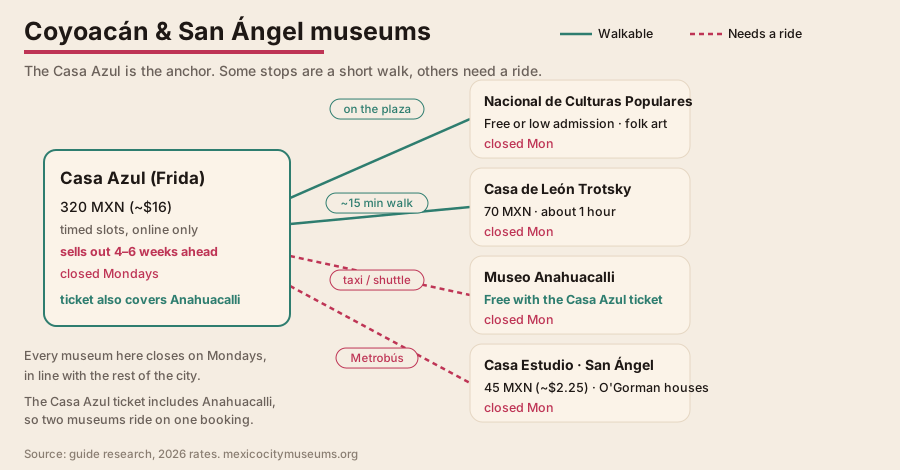
Walk the core, ride to the outliers. Central Coyoacán is genuinely walkable: the Casa Azul, the Trotsky house, the Culturas Populares museum and the plazas all link on foot in a loop of a mile or so. Anahuacalli and San Ángel are not walking distance from that core, so budget a taxi, rideshare or the weekend shuttle for those.
The walkable day almost plans itself around the two plazas. Start at the Casa Azul on your booked morning slot, since it is the fixed point everything else bends around. From there it is a fifteen-minute walk to the Trotsky house, and the Culturas Populares museum and the cafés of the Jardín Centenario sit between the two. Lunch on the plaza, a churro from the market, and you have filled a rich half-day without a single ride. That is the version we recommend to anyone with one day and a Frida ticket in hand.
One practical note on getting into the neighborhood in the first place. The nearest Metro stations, Coyoacán and Viveros on Line 3, sit a fifteen-to-twenty-minute walk from the Casa Azul rather than on its doorstep, so many visitors take a short taxi or a local pesero the last stretch, or simply walk it through pleasant residential streets. Once you are in the historic core the ground is flat and the distances are short, which is exactly what makes the plaza loop such an easy day on foot. The Mercado de Coyoacán, a block off the plazas, is the classic lunch stop between museums.
The outliers ask for a decision. Anahuacalli comes free with your ticket but sits deep in the southern pedregal, so it means a fifteen-to-twenty-minute taxi each way or the weekend Ruta Frida y Diego shuttle. San Ángel is a separate neighborhood best given its own half-day by Metrobús. Trying to chain the walkable core, Anahuacalli and San Ángel into one day is how people end up spending the afternoon in traffic. Pick the core plus one outlier, and leave the rest for a second visit.
| Time | Stop | How you get there |
|---|---|---|
| 10:00 | Casa Azul (booked slot) | Metro Coyoacán or Viveros, then a short walk |
| 11:30 | Museo Nacional de Culturas Populares | Walk toward the plazas |
| 12:30 | Lunch on the Jardín Centenario | On foot |
| 14:00 | Casa de León Trotsky | 15-minute walk |
| 15:30 | Museo Anahuacalli (optional) | Taxi or weekend shuttle |
How do you plan the ideal Coyoacán and San Ángel day?
Match it to your time and your ticket. One day means the walkable Coyoacán core plus Anahuacalli on the Frida ticket. Two days let you add San Ángel and a Chapultepec run. Book the Casa Azul weeks out, walk the plazas between museums, and ride only to the two outliers. Above all, avoid Monday, when the whole southern cluster is dark.
The failure we watch people repeat is building a Coyoacán day around a Casa Azul ticket they never secured. If your date is already gone, do not scrap the neighborhood: the Trotsky house, the Culturas Populares galleries and the plazas still make a fine afternoon, and our guide to getting Frida tickets when they are sold out covers the real options. If you did secure the slot, everything else falls into place around it, because it is the only stop here that runs on a clock.
For the bigger picture of how the southern cluster fits the rest of the city, our ranked best-museums shortlist puts Coyoacán next to Chapultepec and the Centro. The pattern that works down here is the same one that works across town: fewer museums, more time in each, and a long lunch on a shaded plaza in between.
If you want still more of the couple, the reopened Museo Dolores Olmedo is a natural extension of a southern day. It returned to the public on 30 May 2026 at its original site, the sixteenth-century Hacienda La Noria in Xochimilco, after roughly six years closed, and it gathers over a hundred works by Rivera and Kahlo in a garden setting. Foreigner admission runs higher than the other houses here, around 432 MXN, so weigh it against your time, but for anyone deep into Frida and Diego it rounds out the trail. The grid below is the shortcut we hand visitors who just want to be told where to point their day.
| If you want | Go to | Skip it if |
|---|---|---|
| Frida, the house and the feeling | Casa Azul | You cannot book weeks ahead |
| Rivera's strange stone temple | Museo Anahuacalli | You will not taxi to the pedregal |
| History and a real story | Casa de León Trotsky | Political history leaves you cold |
| Folk art for free | Museo Nacional de Culturas Populares | You are short on plaza time |
| Modern architecture | Casa Estudio, San Ángel | You cannot spare a second half-day |
| Pre-Hispanic art at scale | National Museum of Anthropology | You have no Chapultepec day |
If you take one thing from this guide, let it be the booking rule. Secure the Casa Azul the day your dates firm up, and build the rest of the southern day around that single fixed point. Do that, keep the walk to the Coyoacán core and a ride to the outliers, avoid Monday, and you will have seen Frida's world, Rivera's temple and the village that made them without a wasted hour or a wasted peso.