Art Museums in Mexico City: Murals, Masters and the Collections Worth Your Time in 2026
A local team's guide to Mexico City's art and mural museums in 2026: Bellas Artes, the free Soumaya, MUNAL and Jumex, with real prices, closed days and hours.
 By Diego Morales, Mexico City Museums Specialist & Cultural Guide
The art that matters most here is not hung on a wall in a frame. It is the wall. Mexico's muralists painted directly onto stairwells, courtyards and lobbies, so the biggest names in twentieth-century Mexican art wait for you inside working buildings rather than tidy white galleries. That single fact reshapes how you plan an art day in this city, and it is the thing most first-time visitors get wrong.
Our team spends a lot of time steering people through the art side of the city's Mexico City museums, and the honest picture is generous. You get the world's great mural cycles for the price of a photo ID, a mirror-clad building full of Rodin bronzes that costs nothing to enter, a national collection tracing four centuries of painting, and a contemporary scene clustered in Polanco and Chapultepec. This guide ranks them the way we actually recommend them, with 2026 prices, the closed days that trip people up, and where the murals genuinely are.
Which art collections belong at the top of your list?
The strongest are Palacio de Bellas Artes for the great mural cycle, the free Museo Soumaya for Rodin and European masters, and MUNAL for the sweep of Mexican painting. Behind them sit the contemporary trio of Jumex, MAM and Tamayo, plus MUAC out at the university. Most close Mondays; Soumaya does not.
Ranking art is personal, so read this as one team's working order rather than a verdict. Bellas Artes comes first because it holds the murals nobody should miss and charges almost nothing to see them. Soumaya earns second for being both free and genuinely good, a rare pairing. MUNAL sits third as the one collection that tells the whole story of Mexican art from the viceroyalty forward, in a palace that would be worth the visit even empty.
The table sets the field out at a glance. Admissions are 2026 rates where a museum charges, and several of the best are free or nearly so. The area column matters more than it looks: the Centro Histórico and Nuevo Polanco each hold a tight cluster, and building a half-day around one keeps you out of the traffic that eats this city alive.
| Museum | Focus | 2026 admission | Area | Closed day |
|---|---|---|---|---|
| Palacio de Bellas Artes | Muralism under an Art Deco dome | Around 95 MXN (~$4.75); lobby free | Centro Histórico | Monday (exhibitions) |
| Museo Soumaya | Rodin bronzes, European and Mexican art | Free | Nuevo Polanco | Open daily |
| MUNAL, Museo Nacional de Arte | Mexican art to the mid-20th century | Low INBAL admission | Centro Histórico | Monday |
| Museo Jumex | Contemporary shows and collection | Around 50 MXN (~$2.50) | Nuevo Polanco | Monday |
| Museo de Arte Moderno (MAM) | Mexican modernists, Frida's Two Fridas | Around 95 MXN (~$4.75) | Bosque de Chapultepec | Monday |
| Museo Tamayo | International contemporary art | Around 95 MXN (~$4.75) | Bosque de Chapultepec | Monday |
| MUAC | University contemporary art | Around 75 MXN (~$5) | Ciudad Universitaria | Monday and Tuesday |
Where do the great murals actually live?
On walls, not canvases. The essential trio of Diego Rivera, José Clemente Orozco and David Alfaro Siqueiros worked in fresco across public buildings, so you meet them at Palacio de Bellas Artes, inside the Palacio Nacional, at the old Colegio de San Ildefonso, and in a few downtown courtyards. Several of these cost nothing beyond a photo ID.
Muralism began downtown, and it is still where the best of it lives. The Antiguo Colegio de San Ildefonso is where Orozco, Rivera and Jean Charlot painted the first great cycles in the early 1920s, and it remains a working museum of that early movement. A short walk away, the Secretaría de Educación Pública opens its two courtyards to reveal Rivera's enormous fresco cycle of Mexican life, free to see with identification on a weekday. These are the pieces that turned a government art program into a movement the world copied.
The single richest room is the top floor of Bellas Artes, where Rivera's "Man, Controller of the Universe," Orozco's "Katharsis" and Siqueiros's furious panels hang within a few steps of each other. Across the Zócalo, Rivera's staircase in the Palacio Nacional paints the whole history of Mexico from Tenochtitlan to revolution, and entry there is free with a photo ID. Further out, Juan O'Gorman's mosaic-clad Central Library facade at the university is muralism at building scale, visible from the street at no charge. The table below maps where the walls are and what it takes to stand in front of them.
| Mural site | Painters | Access in 2026 |
|---|---|---|
| Palacio de Bellas Artes (top floor) | Rivera, Orozco, Siqueiros, Tamayo | Museum admission around 95 MXN; lobby free |
| Palacio Nacional (grand staircase) | Diego Rivera | Free with a photo ID |
| Antiguo Colegio de San Ildefonso | Orozco, Rivera, Charlot | Low ticketed admission |
| Secretaría de Educación Pública courtyards | Diego Rivera | Free with a photo ID, weekdays |
| UNAM Central Library facade | Juan O'Gorman | Free, outdoor, at the university |
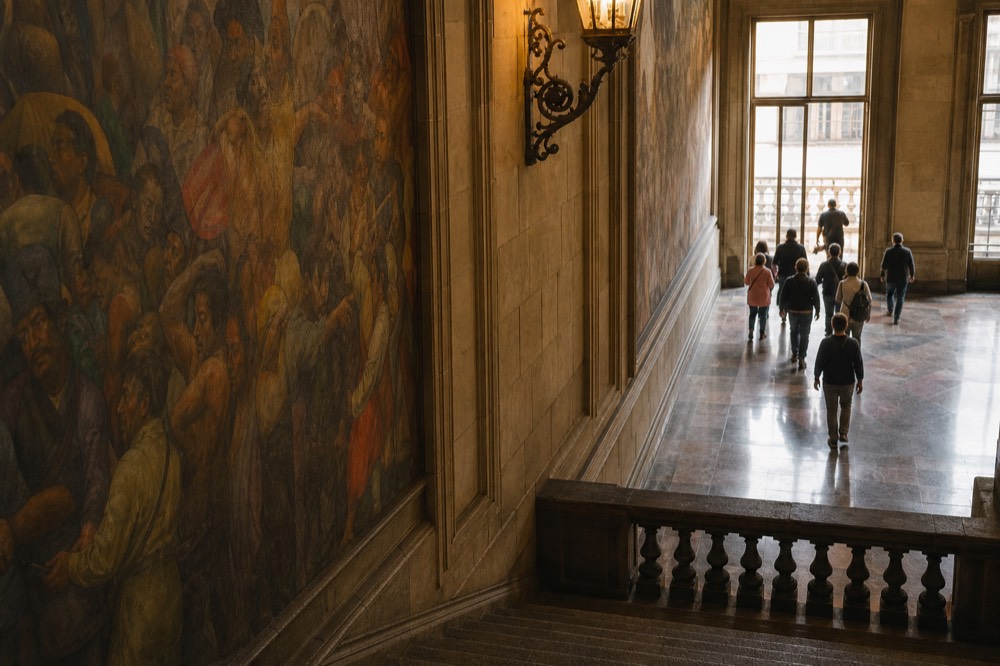
Is Palacio de Bellas Artes the one you cannot skip?
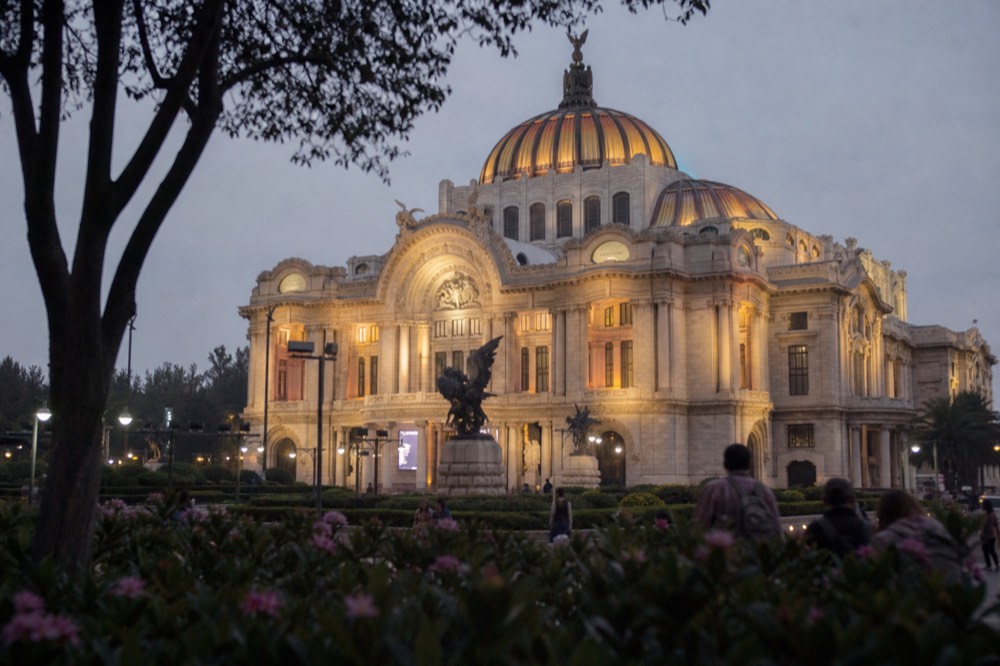
Yes. The white-marble concert hall on the Alameda is the essential art stop, Art Nouveau outside and Art Deco within, and its upstairs museum holds the city's mural masterpieces. Admission is around 95 MXN (~$4.75), the ground-floor lobby is free to walk into, and it closes Mondays for exhibitions. It is also the home stage of the Ballet Folklórico.
The pricing surprises people, because the building looks like it should cost a fortune to enter. It does not. The lobby and the Art Deco interior are free to admire, and only the top-floor museum, where the Rivera, Orozco, Siqueiros and Tamayo murals hang, asks for a small INBAL admission. For the money it is the best-value art in the city, full stop. The murals reward slow looking: Rivera's "Man, Controller of the Universe" is the recreated version of the fresco Rockefeller had destroyed in New York, and the story behind it is half the reason to stand there.
Two honest notes shape a visit. The concert hall itself, with its Tiffany glass stage curtain, is only seen on a performance ticket or the occasional building tour, so the murals are what your museum ticket buys. And the building's famous sinking, settling unevenly into the old lakebed, is visible in the floors if you look. You can check current exhibitions and hours on the official Palacio de Bellas Artes museum site before you go. For where the rest of the murals sit, our history museums walking guide lines up the downtown cluster.
| Palacio de Bellas Artes | 2026 |
|---|---|
| Museum admission | Around 95 MXN (~$4.75); check the live listing |
| Ground-floor lobby | Free to enter |
| What you see | Rivera, Orozco, Siqueiros and Tamayo murals |
| Closed | Monday (exhibitions); building viewable |
| Area | Centro Histórico, on the Alameda |
Book museum entry ahead of a busy weekend on the Palacio de Bellas Artes entrance page and hold your slot.
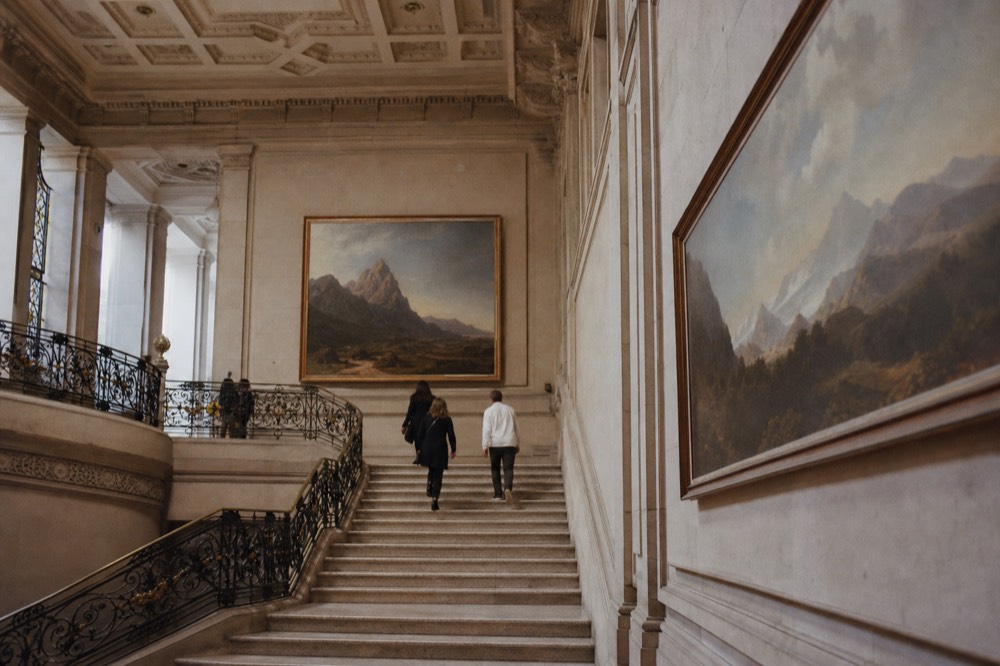
What makes Museo Soumaya worth a free afternoon?
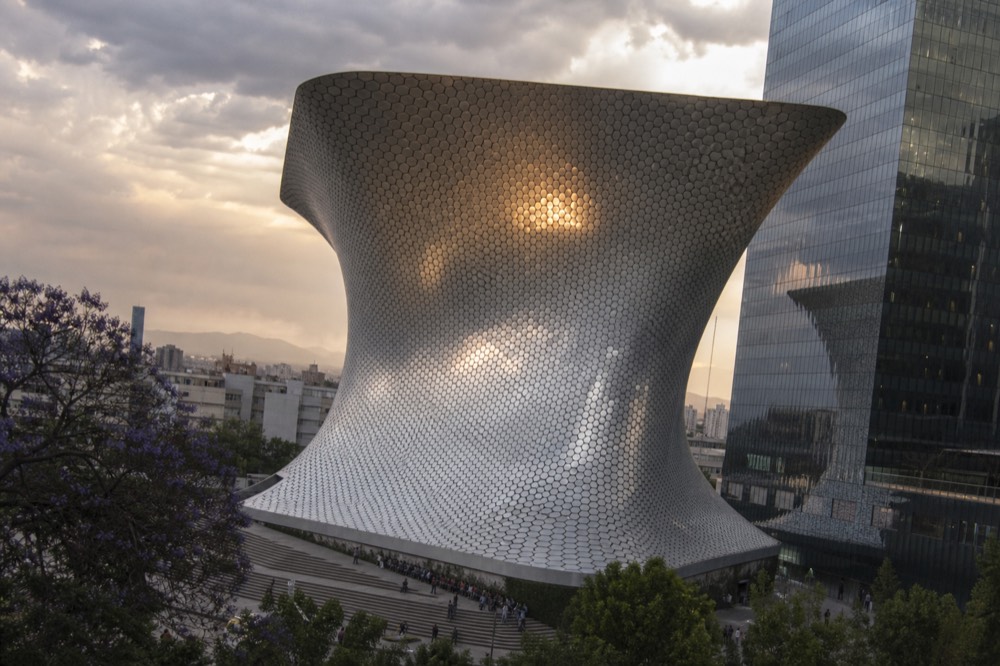
Museo Soumaya is the free surprise of the city's art scene. The mirror-clad, wave-shaped building in Nuevo Polanco holds Carlos Slim's collection, heaviest in Rodin bronzes with strong European old masters and Mexican work. Entry costs nothing and it opens daily, including Mondays, which makes it a rare rainy-Monday art option when most galleries shut.
The building announces itself from blocks away, a shimmering silver curve wrapped in sixteen thousand hexagonal tiles, and plenty of visitors photograph the outside and never go in. That is a mistake. Inside sits the largest Rodin holding outside France, a wall of European painting, and a top floor arranged so you spiral down through the collection. It is uneven, more quantity than curation in places, but the highlights are real and the price is unbeatable.
Because entry is free, there is nothing to buy at the door, though the museum runs an optional guided tour for anyone who wants the collection explained rather than wandered. Pair it with the Museo Jumex directly across the plaza for a contemporary counterpoint, and you have a strong half-day in Polanco without spending a peso on admission. Confirm the free-entry policy and current hours on the official Museo Soumaya site.
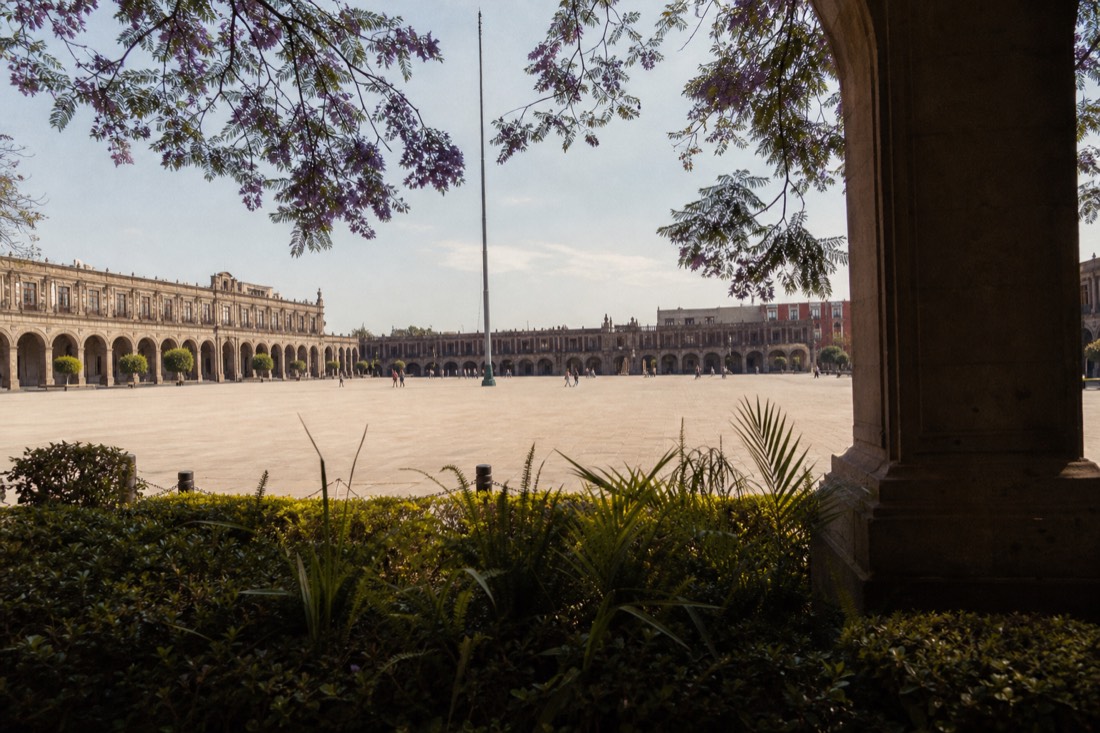
The paid option here is a guided visit rather than a ticket, and it carries a sell-out flag on busy days, so check the Museo Soumaya guided tour page for your date.
Which national collection maps Mexican art end to end?
MUNAL, the Museo Nacional de Arte, is the one place that tells the whole story of Mexican painting and sculpture from the viceroyalty to 1954. It fills a grand early-1900s palace off the Alameda, walk-up admission stays low, and it closes Mondays. For anyone who wants the through-line rather than a single artist, this is the collection to give real time.
Where Bellas Artes is about the murals and Soumaya about a private eye for European art, MUNAL is the museum of Mexican art as a national story. You move from colonial religious painting through the academic nineteenth century, the landscapes of José María Velasco, and into the early modern work that set up the muralists. The building itself, a beaux-arts palace with a sweeping staircase and a bronze equestrian statue out front, is one of the finest interiors downtown.
The collection rewards a slow walk in order. The early rooms hold colonial religious painting from the viceroyalty, the middle galleries the academic nineteenth century and the vast Mexican landscapes of José María Velasco, and the later rooms the turn-of-the-century work that set the stage for the muralists. Out front stands "El Caballito," the eighteenth-century equestrian bronze of Carlos IV, one of the largest cast in the Americas, a landmark in its own right. Read that way, MUNAL is less a museum to skim than a spine you follow from one end of Mexican art to the other.
Admission is a low INBAL rate, and the bookable product here is a guided visit that starts from around $53 for those who want the collection walked and explained. On your own it costs very little. MUNAL pairs neatly with Bellas Artes and San Ildefonso in a single downtown art loop, and if contemporary work is more your speed, our modern and contemporary art guide covers where that scene actually lives.
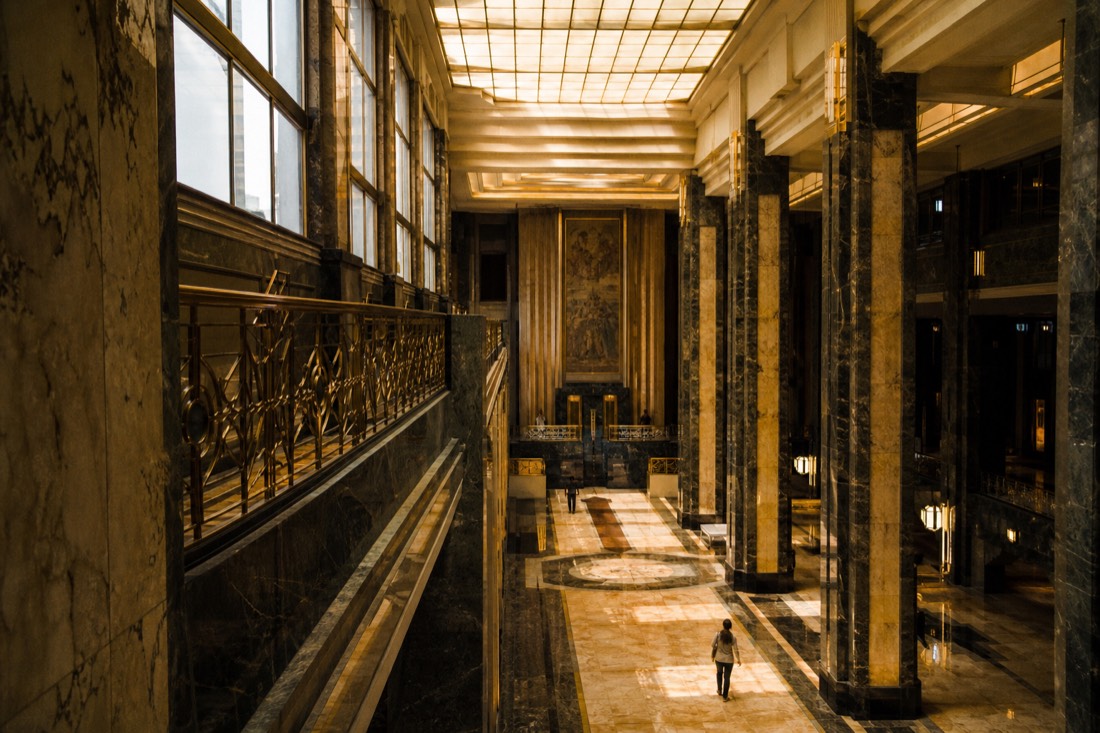
Reserve a guided walk-through on the MUNAL guided visit page if you want the collection unpacked rather than skimmed.
Where do you find modern and contemporary art?
Three names carry the modern and contemporary scene: Museo Jumex in Polanco for touring blue-chip shows, the Museo de Arte Moderno in Chapultepec for the Mexican modernists, and the Museo Tamayo next door for international contemporary work. Add MUAC out at the university for the largest galleries. Jumex, MAM and Tamayo all cost under 100 MXN.
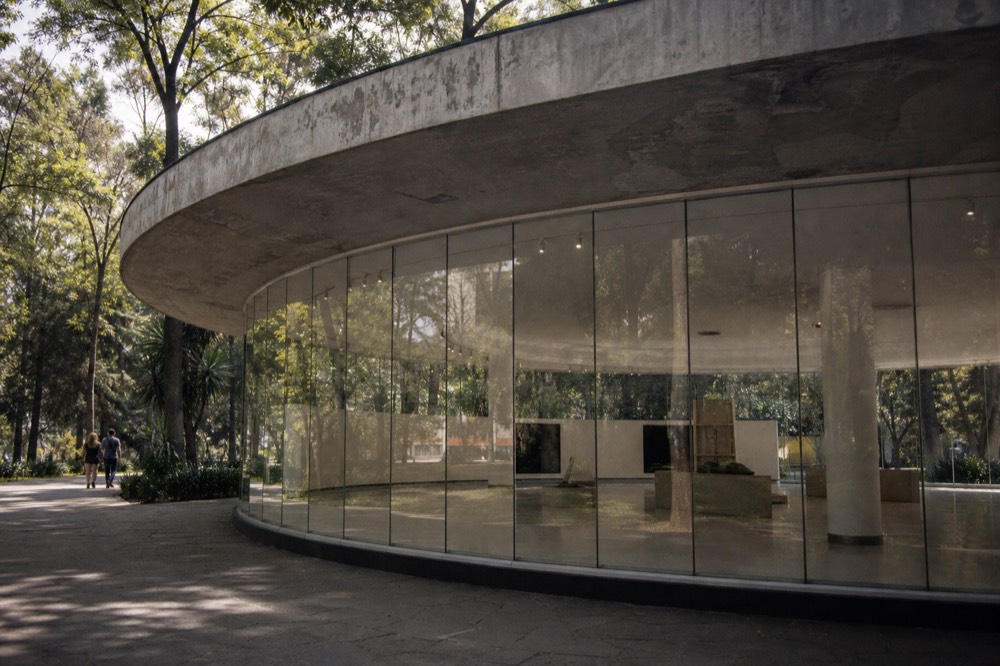
Jumex is the contemporary heavyweight, a sawtooth-roofed David Chipperfield building facing the Soumaya, showing its own collection alongside strong international touring exhibitions. General admission runs around 50 MXN (~$2.50), with free entry on Sundays and for students and under-15s, and it closes Mondays. In Chapultepec, the Museo de Arte Moderno holds twentieth-century Mexican work including Frida Kahlo's "The Two Fridas," at around 95 MXN and free on Sundays for everyone, foreigners included. Its neighbor, the Tamayo, programs international contemporary shows in a concrete-and-glass landmark set into the trees, at the same price with the same all-visitor free Sunday.
Further south, MUAC on the university campus shows Mexican and international art from the 1950s on across large, light galleries, at around 75 MXN, open Wednesday to Sunday. You can preview the current contemporary program at Jumex on the Fundación Jumex site and at the Tamayo on the official Museo Tamayo site. The table below sorts the four by what they show and what they cost.
| Museum | What it shows | 2026 admission | Free Sunday |
|---|---|---|---|
| Museo Jumex | Contemporary collection and touring shows | Around 50 MXN (~$2.50) | Free for all |
| Museo de Arte Moderno (MAM) | Mexican modernists, The Two Fridas | Around 95 MXN (~$4.75) | Free for all |
| Museo Tamayo | International contemporary art | Around 95 MXN (~$4.75) | Free for all |
| MUAC | Art from the 1950s onward | Around 75 MXN (~$5) | Check the listing |
What do the art museums cost, and when are they open?
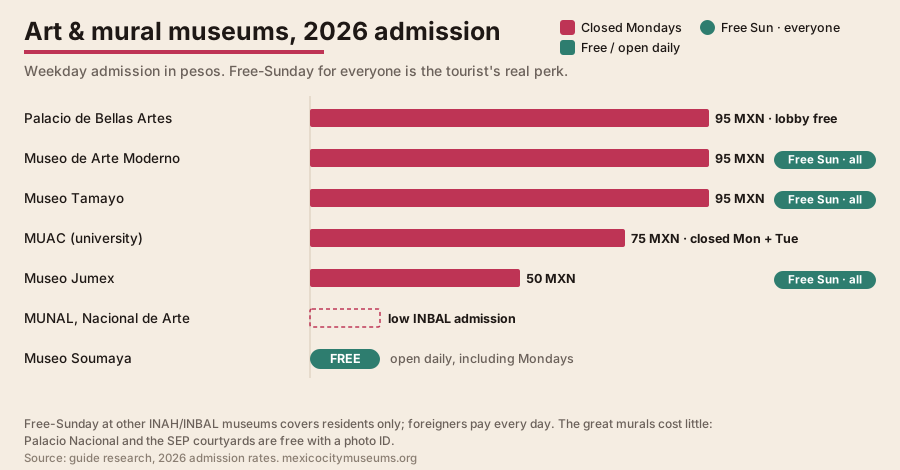
Most charge under 100 MXN, and several are free. Bellas Artes, MAM, Tamayo and Jumex all sit below 100 MXN for a foreign adult, Soumaya and the Palacio Nacional murals cost nothing, and MUNAL stays low. The catch is Monday: Bellas Artes, MUNAL, MAM, Tamayo and Jumex all close it, while Soumaya opens every day.
Pricing is easy to hold in your head, which is one of the pleasures of art here compared with Europe. The paid art museums cluster around a 50 to 95 MXN band, so a full day of them costs less than a single admission in London or Paris. The Bellas Artes lobby, the Palacio Nacional staircase and the whole of the Soumaya add up to a genuinely good art day for the price of transport alone.
The free-Sunday rule works differently across the art museums, and getting it right saves money. At the INBAL museums, Bellas Artes and MUNAL, free Sunday covers Mexican nationals and residents with ID, so a foreign visitor pays as usual. The Chapultepec pair, MAM and Tamayo, break that pattern and open free to everyone on Sundays, foreigners included, and the Soumaya is free every day regardless. The only genuinely no-cost Sunday art for a tourist, then, is MAM, the Tamayo, or the ever-open Soumaya, which our free museums guide covers in full. Our quick answer on which museums are free to enter lists the no-charge picks across the city.
Monday is the planning trap. Nearly every INBAL and privately run art museum closes it, so a Monday art day comes down to the free Soumaya, the building of Bellas Artes viewed from outside, and the Palacio Nacional murals. For the fuller list of what opens when the rest shut, see our guide to which museums open on Mondays. The grid below is the one we reach for when planning around the closures.
| Museum | 2026 admission | Free Sunday | Closed day |
|---|---|---|---|
| Palacio de Bellas Artes (museum) | Around 95 MXN; lobby free | Residents with ID | Monday (exhibitions) |
| Museo Soumaya | Free | Free every day | Open daily |
| MUNAL | Low INBAL admission | Residents with ID | Monday |
| Museo Jumex | Around 50 MXN | Free for all | Monday |
| Museo de Arte Moderno | Around 95 MXN | Free for all | Monday |
| Museo Tamayo | Around 95 MXN | Free for all | Monday |
How do you build an art-focused day or two?
Cluster by neighborhood. Give the Centro Histórico a downtown loop of Bellas Artes, MUNAL, San Ildefonso and the Palacio Nacional murals, all walkable. Save Nuevo Polanco for a free half-day of Soumaya and Jumex together. Keep the Chapultepec art museums, MAM and Tamayo, for a green third outing, and avoid Mondays for everything but Soumaya.
The downtown loop is the one to do first. Start at Bellas Artes when it opens, cross to MUNAL and San Ildefonso for the murals and the national collection, then walk to the Zócalo for Rivera's staircase in the Palacio Nacional. It is a dense, mostly free morning of the best art in the city, and you barely touch a taxi. If you have only a single day for museums overall, our one-day museum itinerary folds the art highlights into a wider plan.
Polanco is the free half-day: Soumaya and Jumex face each other across Plaza Carso, so you can do both in three or four hours and pay nothing to enter the Soumaya. The Chapultepec art museums pair naturally with the park's bigger draws, laid out in our Chapultepec park museums guide, and for the museums that never charge, our free museums guide is the companion to this one. The blog on the must-see museums ranks the wider set if you are choosing across categories.
When a visitor just wants to be told where to go, this is the shortcut we reach for. Match the museum to what you are after and the choice makes itself.
| If you want | Go to | Why |
|---|---|---|
| The great murals, cheaply | Palacio de Bellas Artes and the Palacio Nacional | The masterworks for one small fee and one photo ID |
| A free art afternoon | Museo Soumaya, with Jumex across the plaza | Free entry and a landmark building |
| The full Mexican story | MUNAL | Viceroyalty to the mid-20th century in one palace |
| Modern and contemporary work | MAM, Tamayo and Jumex | Under 100 MXN, two of them free on Sundays |
| A Monday that is not wasted | Museo Soumaya | Open when the rest of the art museums close |
The mistake we see most is people racing four galleries in a day and remembering none of them. Art here rewards the opposite. Give the top floor of Bellas Artes half an hour, let the Soumaya's Rodin room hold you, stand under O'Gorman's mosaic at the university without checking your phone. The murals in particular were built to be lived with, not ticked off.
If you take one thing from this guide, let it be the mural rule. The greatest art in the city is on public walls, much of it free with a photo ID, and it is the part visitors most often skip while queuing for a paid gallery. Do the downtown murals first, keep Soumaya and Jumex for a free Polanco afternoon, and work around Monday. Do that and you will have seen the real art of the city without wasting a peso or an hour.