Opens the official listing with live dates and prices. Book there; nothing is charged on this site.
Area
Centro Histórico, Mexico City
Theme
Landmarks, memory & the unusual
An original railway boxcar of the kind used to deport people to Nazi death camps stands inside the museum, and you can step into it. The Museo Memoria y Tolerancia, near the Alameda in the Centro Histórico, walks visitors through the genocides of the twentieth century and then turns to human rights, discrimination and how societies pull apart. It is affecting and serious, not a quick stop, and it is the best-rated ticketed museum on this site for good reason.
What will you see inside the Museo Memoria y Tolerancia?
The museum splits into two halves. The Memoria side documents genocide, with the Holocaust at its center and rooms on Armenia, Cambodia, the former Yugoslavia, Guatemala, Rwanda and Darfur. The Tolerancia side shifts to the present: human rights, prejudice, diversity and the small choices that let hatred grow or hold it back.
The Holocaust galleries are the emotional core, built from photographs, documents, survivor testimony and objects, and the railway car is the piece most people carry away with them. The other genocide rooms are handled with the same care, so the museum reads as a single argument about how mass violence starts rather than a series of separate exhibits.
Upstairs the tone lifts a little without going soft. The Tolerancia galleries deal with discrimination in Mexico and beyond, with interactive stations and a space aimed at getting visitors to think about their own part in it. A memorial to children lost to genocide sits between the two, quiet and deliberately hard to walk past quickly.
Is this the right museum for your group?
This is heavy subject matter, and worth saying plainly: the Memoria galleries deal with genocide in unflinching detail and are not suitable for young children. The museum is a strong, moving visit for teenagers and adults, and it flags the most difficult sections so you can plan around them.
Give it around two hours. People move slowly here, and the material asks for it. An audio guide or a docent-led route helps make sense of the sweep from one genocide to the next, and the human-rights half gives the visit somewhere to land rather than leaving you in the darkest rooms. Families with older kids often find it opens up real conversation; families with little ones are better served by lighter stops nearby.
How do tickets and entry work?
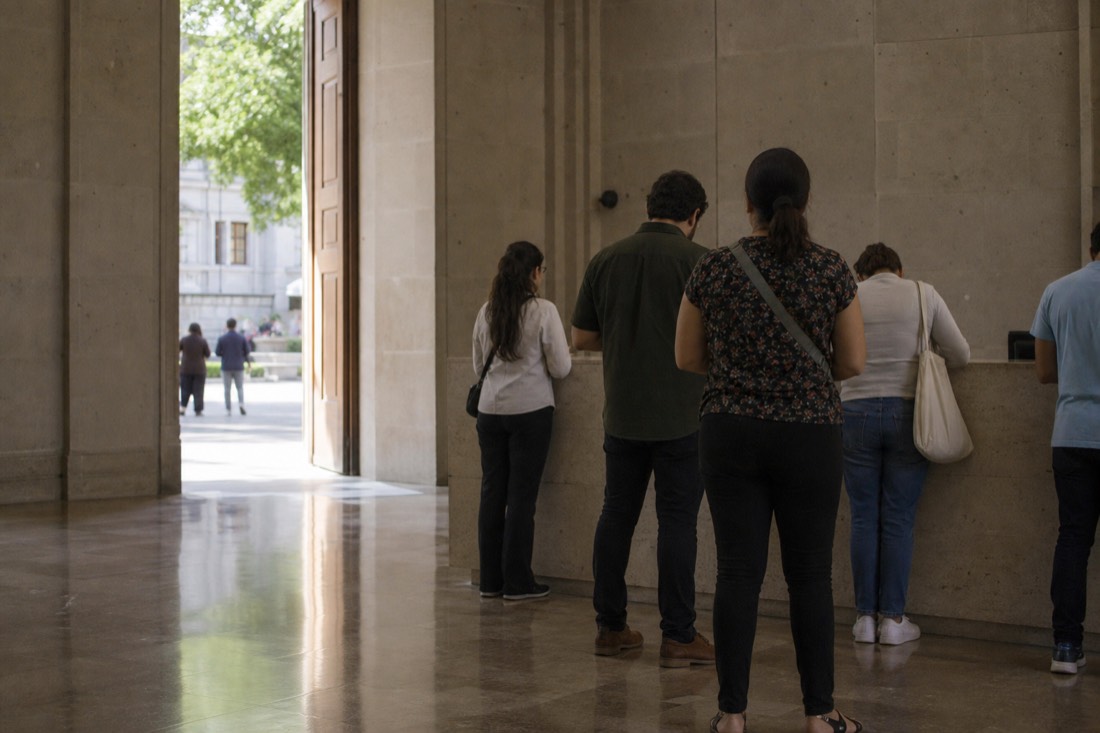
Entry is a single, low-cost ticket, and booking ahead secures a time and lets you walk in without waiting at the desk. The current price and available slots are on the booking panel above, which opens the live listing.
The museum is privately run, not part of the INAH or INBAL state networks, so the free-Sunday policy that applies to government museums, and only to Mexican nationals and residents in any case, does not apply here. Everyone pays the same modest admission. The ticket covers both the Memoria and Tolerancia galleries. Temporary exhibitions sometimes run alongside the permanent route and are usually included.
Know before you go: hours, closed day and getting there
The museum sits on Plaza Juárez beside the Alameda Central, a couple of minutes from the Palacio de Bellas Artes. It opens Tuesday to Sunday and closes on Mondays, so build your Monday around somewhere else. Metro Hidalgo and Metro Bellas Artes are both a short walk.
Getting there is easy from anywhere in the Centro. From Bellas Artes you cross the Alameda and the plaza is on the far side by the Benito Juárez hemicycle. Confirm the day's opening hours on the listing before you set out, since closing time shifts a little between weekdays and weekends. The at-a-glance table below sums up the essentials.
At a glance
Detail
Area
Plaza Juárez, beside the Alameda Central
Nearest metro
Hidalgo and Bellas Artes, short walk
Open
Tuesday to Sunday
Closed
Mondays
Time needed
About two hours
Suitability
Teens and adults; not for young children
What to pair nearby
You are on the doorstep of the Alameda, so the natural pairings are close. The Torre Latinoamericana rises just beyond the park for the city's classic overhead view, and the Palacio de Bellas Artes stands right across the green with its mural cycle and Art Deco interior.
After the weight of Memoria y Tolerancia, a slow walk through the Alameda to one of these lighter stops makes a good afternoon. For everything else within reach, our guide to mexico city museums maps the Centro's collections by area and theme.
Questions people ask
Is the Museo Memoria y Tolerancia suitable for children?
It is a strong visit for teenagers and adults, but the genocide galleries are intense and not suitable for young children. The museum flags its most difficult sections, and families with little ones are better off at lighter stops nearby.
Is the Museo Memoria y Tolerancia open on Mondays?
No. It opens Tuesday to Sunday and closes on Mondays. Closing time varies a little between weekdays and weekends, so check the day's hours on the listing before you go.
How much are tickets to the Museo Memoria y Tolerancia?
Admission is a single, low-cost ticket that covers both the Memoria and Tolerancia galleries. The current price and available times are on the booking panel above, which opens the live listing.
How long should I spend at the Museo Memoria y Tolerancia?
Plan about two hours. The material is dense and most people move through it slowly, and the human-rights galleries in the second half give the visit a place to settle after the genocide rooms.
How do I get to the Museo Memoria y Tolerancia?
The museum is on Plaza Juárez beside the Alameda Central, a couple of minutes from the Palacio de Bellas Artes. Metro Hidalgo and Metro Bellas Artes are both a short walk away.
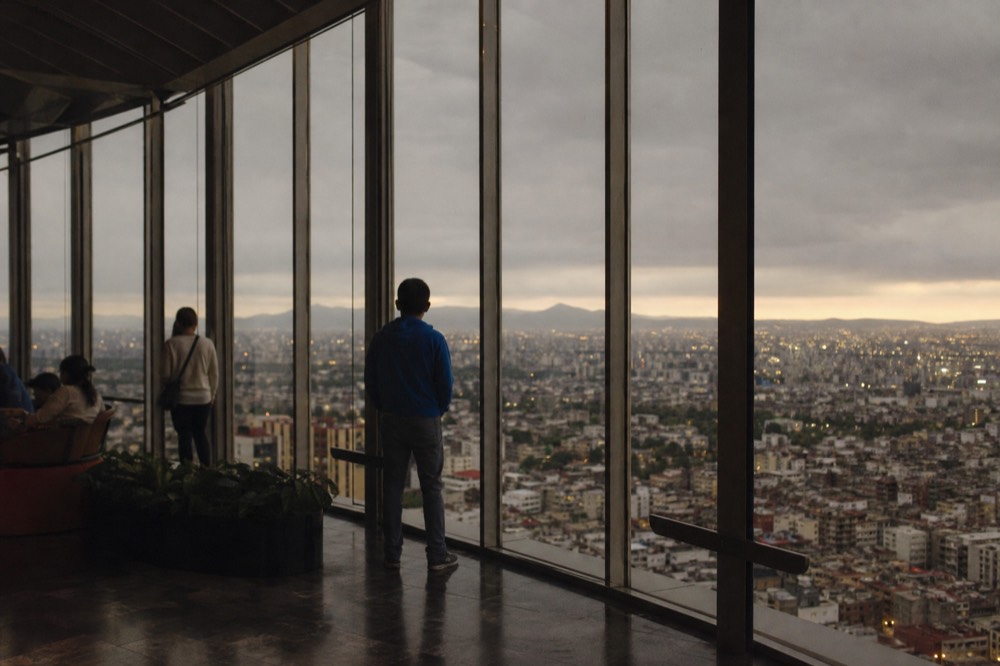
Centro Histórico, Mexico City · The classic view over the city (an observation deck, not a museum)
The 1956 skyscraper that rode out the city's big earthquakes, with an open-air observation deck and glassed mirador on the top floors over the Centro Histórico. This is an observation deck, not a museum, included here for the view. Open daily, including Mondays.
from $17observation-deck admission, live price on the listingCheck availability →
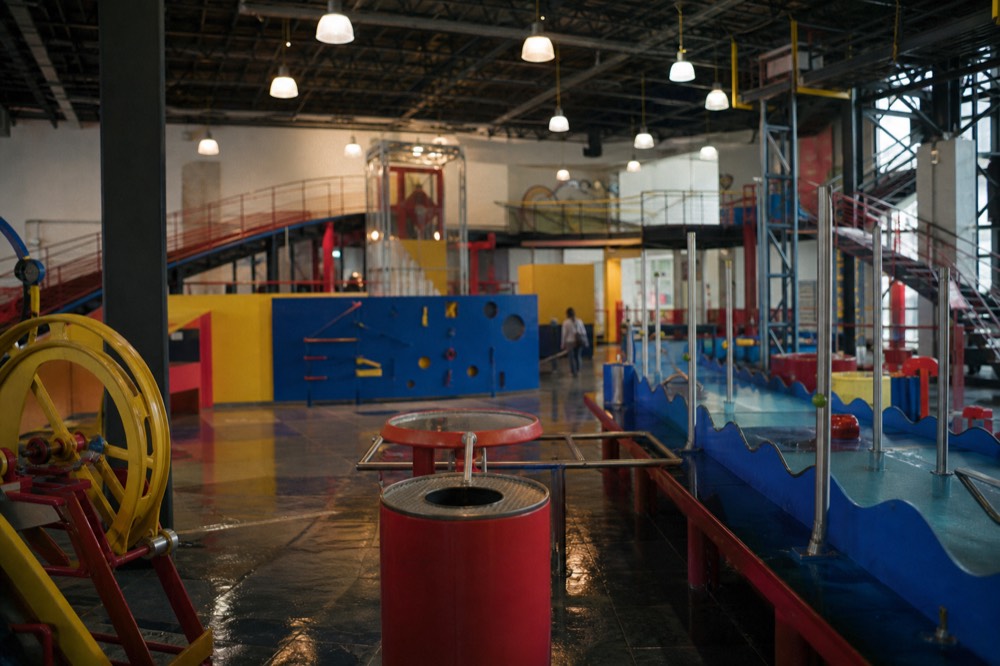
Bosque de Chapultepec, Mexico City · A hands-on science museum built for kids
A hands-on children's museum in the second section of Chapultepec, built around touch-everything science, technology and play. Aimed squarely at families with kids. Admission is by package; closed Mondays.
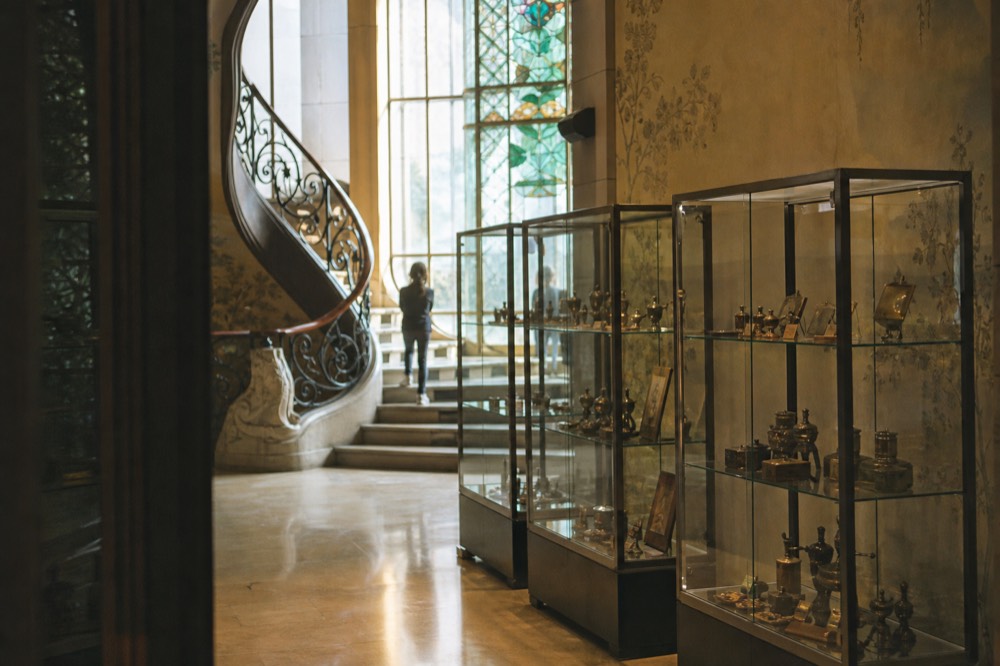
Roma Norte, Mexico City · Design and everyday objects in a Roma mansion
A design museum in a restored Roma Norte mansion built on Bruno Newman's collection of everyday objects, packaging, advertising and graphic art from two centuries. Small, specific and fun. Usually open Wednesday to Sunday; low admission.